
Keeping children safe while they enjoy outdoor activities like biking, skating, or scootering is every parent’s priority. The best kids helmets & protective gear are essential for preventing injuries and boosting confidence during play. With so many options available, choosing the right protective gear can feel overwhelming. This guide breaks down everything you need to know to make informed decisions.
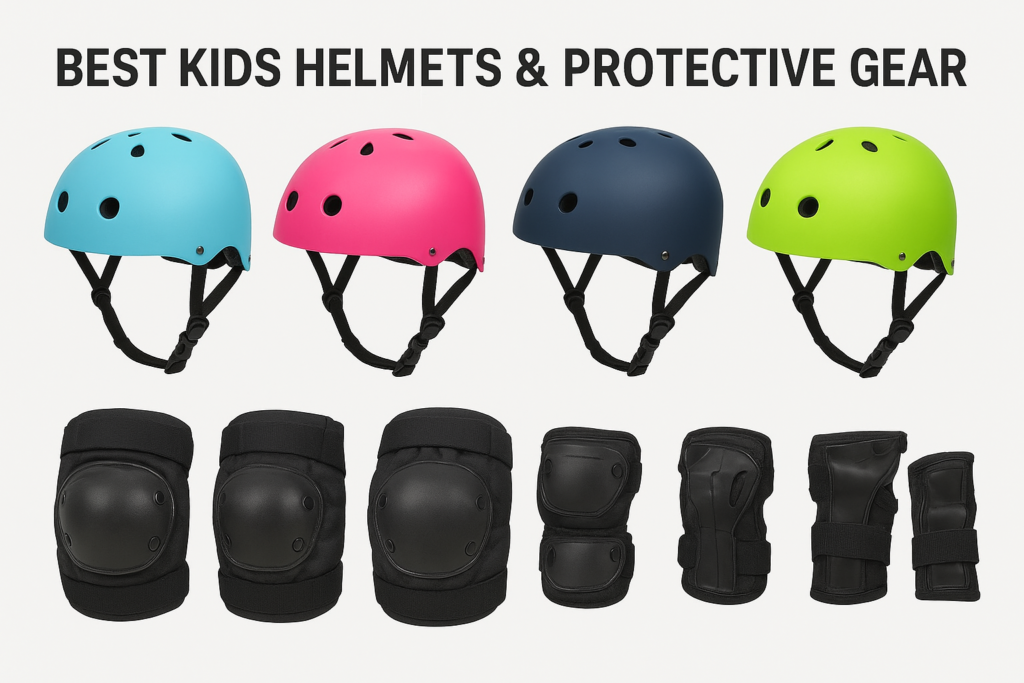
Table of Contents
Why Protective Gear is Essential for Kids
Children are naturally active and curious, which can sometimes lead to accidents. Helmets, elbow pads, knee pads, and wrist guards reduce the risk of serious injuries by providing critical protection. According to the American Academy of Pediatrics, head injuries are one of the leading causes of emergency visits in children involved in outdoor sports. Choosing high-quality protective gear can make all the difference.
How to Choose the Best Kids Helmets
When selecting a helmet, parents should consider:
- Fit: A helmet should sit snugly on your child’s head without tilting forward or backward. Adjustable straps help maintain a secure fit as your child grows. You can check out Giro kids helmets on Amazon for adjustable options.
- Certification: Look for safety certifications like CPSC (Consumer Product Safety Commission) or ASTM standards.
- Comfort: Lightweight helmets with proper ventilation encourage kids to wear them consistently. Bell multi-sport helmets on Amazon are highly rated for comfort.
- Design and Color: Fun designs and bright colors make helmets more appealing and increase visibility to others.
Popular options include bike helmets, skate helmets, and multi-sport helmets that cater to various activities.
Protective Gear Beyond Helmets
While helmets are critical, other gear helps protect different body parts:
- Elbow Pads & Knee Pads: Prevent scrapes, bruises, and fractures during falls. Brands like Triple Eight protective gear are durable and comfortable.
- Wrist Guards: Particularly important for skateboarding and rollerblading to avoid wrist injuries.
- Gloves: Provide grip and protect tiny hands during activities like biking or scootering.
Investing in high-quality gear from reputable brands ensures durability and maximum protection.
Tips for Encouraging Safety Habits
Parents can promote consistent helmet and gear use by:
- Setting a good example: Wear helmets and protective gear yourself.
- Making it fun: Let children choose colors or designs they like.
- Routine reminders: Make wearing protective gear a natural part of the activity.
Creating a safety-conscious mindset early can help kids develop lifelong healthy habits.
Top Recommended Brands
Some highly rated brands for kids helmets & protective gear include:
- Giro: Known for comfortable and stylish bike helmets. Check Amazon
- Bell Helmets: Offers certified multi-sport helmets with advanced protection. Check Amazon
- Triple Eight: Specializes in skateboarding and rollerblading protective gear. Check Amazon
- Raskullz: Fun designs that kids love, encouraging them to wear helmets consistently. Check Amazon
For more safety tips and helmet reviews, visit Safe Kids Worldwide and American Academy of Pediatrics.
Key Takeaways
Investing in the best kids helmets & protective gear ensures that children can explore, play, and ride safely. Prioritize fit, safety certifications, and comfort, and involve your child in the selection process to encourage consistent use. Remember, protective gear isn’t just about preventing injuries; it’s about giving kids the confidence to enjoy outdoor adventures fully.
🛡️ Top Kids Helmets & Protective Gear Picks for Parents
Why These Products Are Great for Kids’ Safety & Comfort
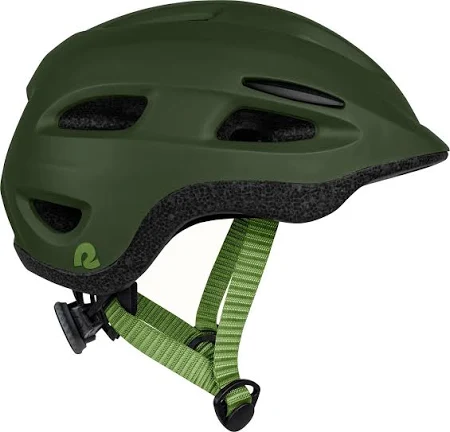
- Retrospec Scout Kids’ Bike Helmet – A highly rated overall kids’ helmet with adjustable fit and great ventilation — ideal for bikes, scooters, or skateboards.
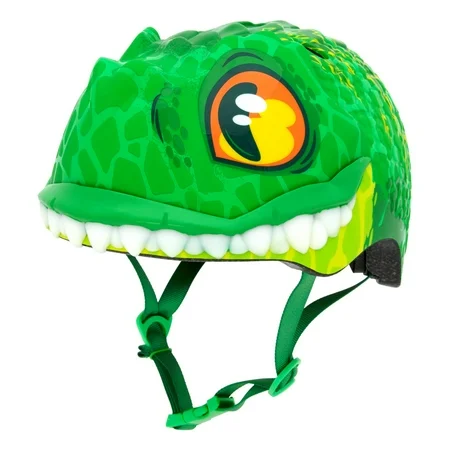
- C‑Preme Raskullz Child Helmet – Fun, stylish helmet that gets kids excited to wear it and meets essential safety standards — great for everyday riding.
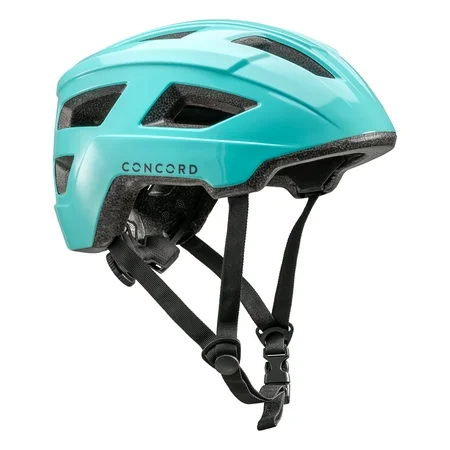
- Concord Bikes Youth Bike Helmet – Affordable, vented option with extended rear coverage — excellent starter helmet for active kids.
- Thousand Jr. Kids Helmet – A premium pick with a comfortable fit and modern design kids and parents both appreciate.
- Kids Helmet Set – Great value option that includes essential gear, perfect for parents who want one complete kit.
- Xjd Kids Bike Helmet Toddler Helmet – Budget‑friendly multisport helmet suitable for biking and skating — great for little riders.
- C‑Preme Krash Leopard Kitty Youth Helmet – Eye‑catching design that makes helmet‑wearing fun for kids while still offering protection.
- LulliNini Kids Protective Gear Set – A helmet + protective gear combo that’s ideal if you want pads included with the helmet.
🧠 How These Compare for Safety & Use
| Helmet / Gear Set | Best For | Age Range (Approx.) | Why It’s a Great Choice |
|---|---|---|---|
| Retrospec Scout Kids’ Bike Helmet | Everyday riding & skatepark | 3–10 years | Ventilated comfort + adjustable fit |
| C‑Preme Raskullz Child Helmet | Style + safety | 4–12 years | Fun design encourages use |
| Concord Bikes Youth Helmet | Budget daily rider | 8+ years | Simple, comfortable, proven protection |
| Thousand Jr. Kids Helmet | Premium protection | 4–10+ | Durable with modern design |
| Kids Helmet Set | Complete starter kit | 3–10 years | Helmet + accessories included |
| Xjd Kids Bike Helmet | Budget multisport | 3–8 years | Great entry‑level option |
| C‑Preme Krash Leopard Kitty Helmet | Kid‑approved style | 8–14 years | Looks kids love, safety parents trust |
| LulliNini Kids Protective Gear Set | Full protective set | 3–10 years | Combines helmet + protective gear |
🧒 Parent Tips for Choosing Helmets & Protective Gear
- Fit first: A helmet should sit snugly without rocking — and there shouldn’t be more than one‑two finger‑widths between the chin strap and chin.
- Certified safety: Always choose helmets that meet CPSC or ASTM safety standards.
- Multisport gear: Consider sets that include knee and elbow pads as well as helmets — especially for beginners.
- Encourage wear: Fun designs or favorite colors help kids want to wear their gear every time they ride.
Final Thoughts on Best Kids Helmets & Protective Gear
Choosing the best kids helmets & protective gear isn’t just about picking the coolest colors or the lowest price — it’s about finding equipment that fits well, meets safety standards, and makes your child excited to wear it every time they play. Quality protective gear gives parents peace of mind and supports children’s confidence during cycling, scootering, skateboarding, or rollerblading.
Start with a helmet that fits snugly, then add wrist guards, elbow pads, and knee pads for complete protection. Look for reputable brands and read reviews from other parents to make informed choices. With the right gear, kids can enjoy more outdoor fun with fewer injuries — and parents can relax knowing they’ve invested wisely in safety.
Frequently Asked Questions (FAQs)
1. What age should my child start wearing a helmet?
Children should wear a helmet any time they use a bike, scooter, skateboard, or ride‑on toy — even as toddlers. Helmets protect young brains during falls, and building the habit early makes wearing safety gear second nature.
2. How should a kids helmet fit?
A proper fit means:
- The helmet sits level on the head (not tilted back).
- It doesn’t wobble when your child shakes their head.
- You should be able to fit two fingers between the strap and chin comfortably.
A snug, adjustable fit helps keep the helmet in place during a fall.
3. What safety certifications should I look for?
Look for helmets that meet CPSC (Consumer Product Safety Commission) standards for bike helmets. Some skate and multisport helmets also meet ASTM safety standards. These ensure the gear has passed tests for impact protection.
We discuss what happens when you sell options and the stock price moves against you, specifically exploring strategies with Netflix put options, including doing nothing and getting assigned shares or buying back the contract at a potential loss.
6. Can kids wear the same helmet for different activities?
Many helmets are multi‑sport certified, meaning they’re safe for biking, scootering, skateboarding, and rollerblading. Always double‑check the product description and safety standards to ensure proper protection for each activity.