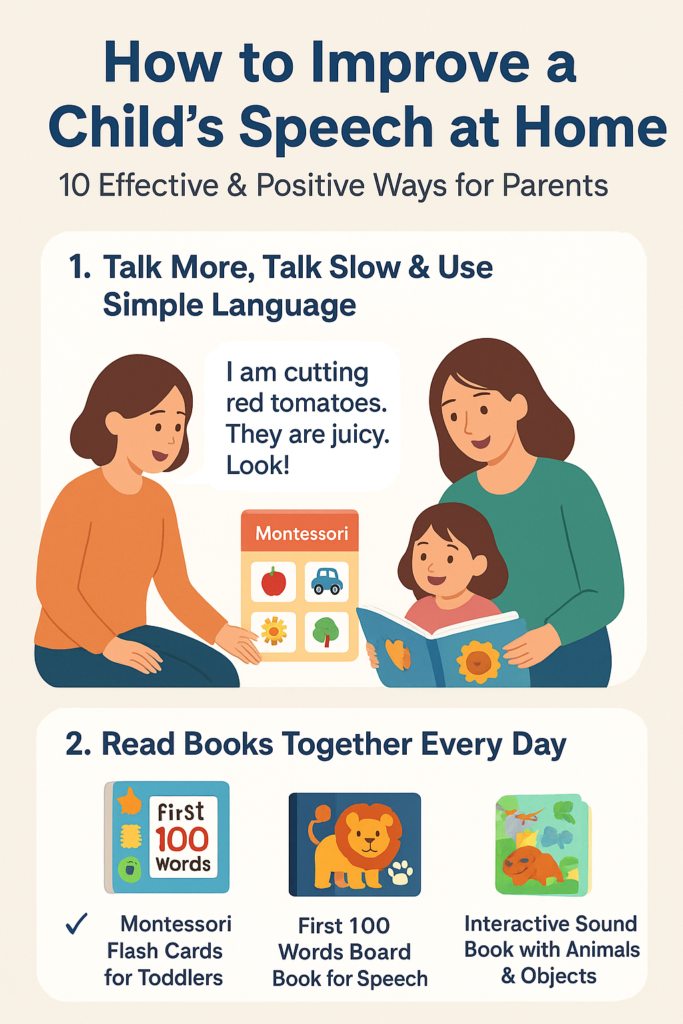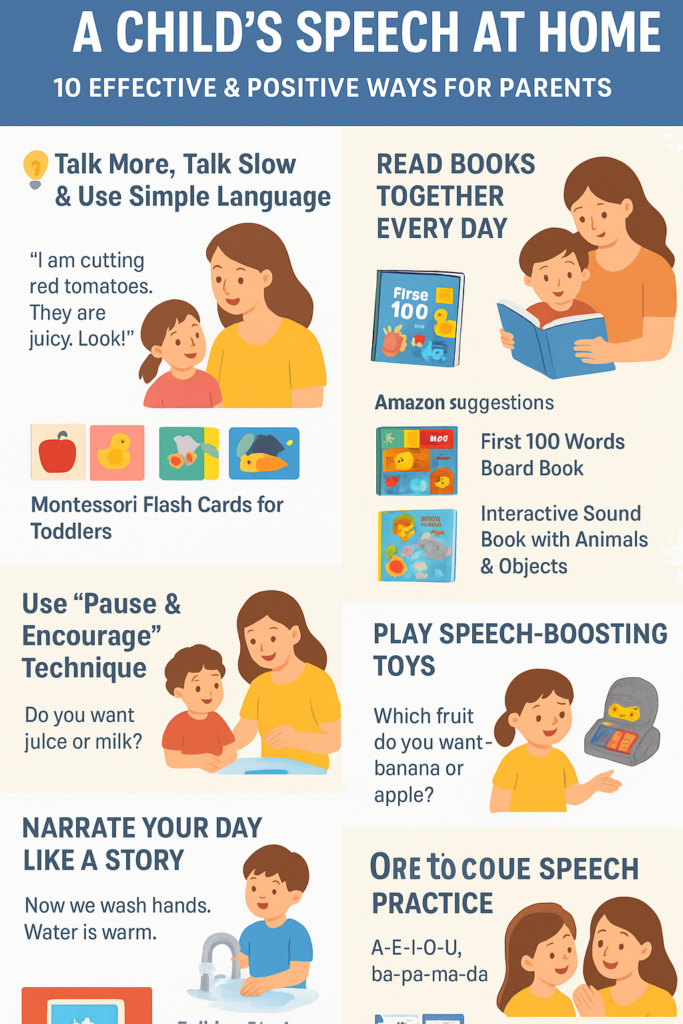
When Do Babies Start Talking? Language Milestones from 0-3 Years

Last Updated: February 2026

“When do babies start talking?” is one of the most common questions new parents ask. From first coos to full conversations, language development follows a fascinating journey. This guide covers what to expect at each age, how to support your child’s speech, and when to seek help.

Quick Takeaways

  • First words typically appear between 12-18 months
  • Most toddlers have 50+ words by age 2 and combine words into phrases
  • Understanding language (receptive) develops before speaking it (expressive)
  • There’s a wide range of “normal”—but early intervention helps if there are delays

The Language Development Timeline

Why Understanding the Timeline Matters

Language is your child’s gateway to:

  • Communication and connection
  • Learning and education
  • Social relationships
  • Expressing needs and emotions

Knowing what’s typical helps you:

  • Celebrate milestones
  • Spot potential delays early
  • Support development effectively

Birth to 3 Months: Sounds of Connection

What to Expect

  • Crying: Different cries for different needs
  • Cooing: Soft vowel sounds (“ooh,” “aah”)
  • Startling at sounds: Shows hearing is working
  • Quieting at familiar voices: Recognizes your voice
  • Smiling at voices: Social response begins

Receptive Language (Understanding)

At this stage, babies:

  • Recognize their mother’s voice (even from birth!)
  • Calm to familiar voices
  • Startle at loud noises
  • Show preference for speech over other sounds

Expressive Language (Producing)

  • Crying
  • Cooing (vowel sounds)
  • Gurgling
  • Different cries for hunger vs. discomfort

How to Support Development

  • Talk to your baby constantly: Narrate diaper changes, feeding, daily activities
  • Respond to coos and sounds: Turn-taking teaches conversation
  • Make eye contact: Builds connection and attention
  • Sing songs and lullabies: Musical language is engaging
  • Read simple books: Yes, even to newborns!

4-6 Months: Babbling Begins

What to Expect

  • Babbling starts: Consonant-vowel combinations (“bababa,” “mamama”)
  • Laughing and squealing: Expressing joy through sound
  • Vocal play: Experimenting with pitch, volume, and sounds
  • Turning toward sounds: Better sound localization

Receptive Language

  • Responds to their name (sometimes)
  • Recognizes familiar words (mommy, daddy, bottle)
  • Understands tone of voice (happy vs. upset)
  • Turns toward sounds

Expressive Language

  • Babbling with consonants (“ba,” “da,” “ma”)
  • String of sounds (“babababa”)
  • Squeals, growls, raspberries
  • Uses voice to express emotions

How to Support Development

  • Imitate their sounds: They say “baba,” you say “baba” back
  • Add real words: They say “baba,” you say “bottle!”
  • Play sound games: Peek-a-boo, animal sounds
  • Read board books: Point to pictures, name objects
  • Limit background noise: Too much noise makes it hard to focus on speech

7-12 Months: First Words Emerge

What to Expect

  • More complex babbling: Sounds like real conversation (jargon)
  • Gestures appear: Pointing, waving, reaching
  • First words: Usually between 10-14 months
  • Understands many words: Even before speaking them

Receptive Language

  • Understands “no” (even if doesn’t obey!)
  • Follows simple commands with gestures (“Wave bye-bye”)
  • Recognizes names of familiar objects
  • Looks at pictures when named
  • Enjoys songs with actions

Expressive Language

  • Babbling sounds more like real speech (jargon)
  • May say “mama” or “dada” (sometimes meaningfully)
  • Gestures to communicate (pointing, reaching)
  • First real words may appear (11-14 months typically)
  • Uses sounds consistently for certain objects

Common First Words

  • Mama, dada, papa
  • Ball, dog, cat
  • More, up, no
  • Hi, bye-bye
  • Uh-oh

How to Support Development

  • Follow their gaze and point: “You see the dog? That’s a dog!”
  • Expand their babbling: They say “buh,” you say “bus! You see the bus!”
  • Name everything: Objects, actions, emotions
  • Play interactive games: Pat-a-cake, peek-a-boo
  • Read daily: Encourage pointing at pictures
  • Respond to gestures: Honor their communication attempts

12-18 Months: Word Explosion Begins

What to Expect

  • First words clearly emerge: If not already present
  • Vocabulary grows slowly: 1-3 words per week
  • Words may not sound perfect: “Ba” for ball is normal
  • Jargon continues: Long strings of babbling with occasional words

Vocabulary Expectations

| Age | Expected Words |
|—–|—————|
| 12 months | 1-3 words |
| 15 months | 5-10 words |
| 18 months | 20-50 words |

Receptive Language

  • Follows one-step directions (“Get your shoes”)
  • Points to familiar objects when named
  • Identifies body parts (nose, eyes)
  • Understands simple questions (“Where’s daddy?”)

Expressive Language

  • Uses 5-20+ words
  • Words may be approximations (“wa-wa” for water)
  • Uses words to make requests
  • Imitates new words
  • Still uses lots of gestures

How to Support Development

  • Narrate activities: “I’m cutting the apple. Apple is red.”
  • Give choices: “Want milk or juice?”
  • Expand their words: Child says “car,” you say “Yes, a blue car!”
  • Ask questions: “What’s that?”
  • Read books with one word per page: Perfect for this age
  • Sing simple songs: “Wheels on the Bus,” “Itsy Bitsy Spider”

18-24 Months: The Vocabulary Explosion

What to Expect

  • Word explosion: Many children add 5-10+ words per week
  • Two-word combinations begin: “More milk,” “Daddy go”
  • Clearer pronunciation: More understandable to strangers
  • Mimicking everything: Repeats words and phrases

Vocabulary Expectations

| Age | Expected Words |
|—–|—————|
| 18 months | 20-50 words |
| 24 months | 200-300 words |

Two-Word Combinations (by 24 months)

  • “More juice”
  • “Mommy up”
  • “Want cookie”
  • “Doggie gone”
  • “Big truck”

Receptive Language

  • Follows two-step directions (“Get your shoes and bring them here”)
  • Points to pictures in books when named
  • Understands action words (run, jump, eat)
  • Identifies many body parts

Expressive Language

  • Says 50-200+ words
  • Starts combining two words
  • Names familiar objects
  • Says “no” (frequently!)
  • Asks “What’s that?”
  • Refers to self by name

How to Support Development

  • Talk about past and future: “We went to the park. Tomorrow we’ll go to grandma’s.”
  • Describe what you’re doing: “I’m washing the dishes.”
  • Add words to their phrases: Child says “Big truck,” you say “Yes, a big red truck!”
  • Ask open-ended questions: “What did you see?”
  • Limit screens: Face-to-face interaction builds language best
  • Read longer books: Stories with simple plots

2-3 Years: Sentences and Questions

What to Expect

  • Two-to-three word sentences: Then longer
  • Pronouns appear: Me, you, I
  • Questions emerge: “Why?” “What’s that?”
  • Speech becomes clearer: Understood by strangers 50-75%
  • Loves to talk: About everything!

Vocabulary Expectations

| Age | Expected Words/Sentences |
|—–|————————|
| 2 years | 200-300 words, 2-word phrases |
| 2.5 years | 400-500 words, 3-word sentences |
| 3 years | 1,000+ words, 3-4 word sentences |

Receptive Language (Ages 2-3)

  • Understands prepositions (in, on, under)
  • Follows 2-3 step directions
  • Understands concepts (big/little, same/different)
  • Listens to stories with interest
  • Understands most of what is said to them

Expressive Language (Ages 2-3)

  • Uses 3-4 word sentences (age 3)
  • Asks lots of “why” and “what” questions
  • Uses pronouns (I, me, you)
  • Uses plurals (-s) and past tense (-ed)
  • Can tell simple stories
  • Strangers understand 75%+ of speech (by age 3)

How to Support Development

  • Have conversations: Real back-and-forth dialogue
  • Ask “how” and “why” questions: Encourages thinking
  • Read chapter books: Simple, short chapters
  • Encourage storytelling: “Tell me about your day”
  • Play pretend: Language-rich imaginative play
  • Correct gently by modeling: Child says “I goed,” you say “You went!”

Red Flags: When to Seek Evaluation

By 12 Months

  • No babbling
  • Doesn’t respond to name
  • Doesn’t gesture (wave, point)
  • No attempt at words

By 18 Months

  • Says fewer than 6 words
  • Doesn’t point to show things
  • Doesn’t understand simple commands
  • Loss of previously acquired words

By 24 Months

  • Says fewer than 50 words
  • No two-word combinations
  • Doesn’t follow simple directions
  • Speech understood less than 50% of the time

By 36 Months

  • Says fewer than 200 words
  • No sentences (3+ words)
  • Doesn’t ask questions
  • Speech understood less than 75% by strangers
  • Still has significant articulation problems

At Any Age

  • Regression: Loss of words or skills previously had
  • No interest in communication: Doesn’t try to get your attention
  • No response to sounds: May indicate hearing problem
  • Significant stuttering that doesn’t improve
  • Your gut says something’s wrong: Trust your instincts

Getting Help

If You Have Concerns

1. Talk to your pediatrician: They can screen and refer
2. Request hearing test: Rule out hearing issues first
3. Contact Early Intervention: Free evaluation for children under 3
4. See a Speech-Language Pathologist: For formal evaluation

Early Intervention Works

Research shows:

  • Earlier intervention = better outcomes
  • Even a few months makes a difference
  • Many children “catch up” with support
  • Don’t “wait and see” if you’re worried

Frequently Asked Questions

My 15-month-old only says “mama.” Should I worry?

This can still be within normal range, but it’s worth discussing with your pediatrician. The bigger questions: Does she understand language? Does she use gestures? Does she seem interested in communication? If yes to these, she may just be a late bloomer. If no, seek evaluation.

Is it true that boys talk later than girls?

On average, girls develop language slightly earlier, but the difference is small. Significant delays warrant evaluation regardless of gender.

Will my bilingual child have speech delays?

No. Bilingual children develop language on the same timeline. They may mix languages initially, but this is normal. Total vocabulary across both languages is typically similar to monolingual children.

Does screen time affect language development?

Yes. Studies show excessive screen time correlates with language delays in young children. Face-to-face interaction is essential for language learning. The AAP recommends no screens under 18 months (except video chat).

When will strangers understand my child’s speech?

  • 18 months: 25% intelligible
  • 2 years: 50% intelligible
  • 3 years: 75% intelligible
  • 4 years: Nearly 100% intelligible

Sources:

  • American Speech-Language-Hearing Association (ASHA)
  • Centers for Disease Control and Prevention (CDC) – Developmental Milestones
  • American Academy of Pediatrics (AAP) – Language Development
  • Zero to Three – Language Development
  • National Institute on Deafness and Communication Disorders (NIDCD)
How to Handle Toddler Tantrums: The Science-Based Approach That Works

Last Updated: February 2026

Toddler tantrums can make you question every parenting choice you’ve ever made. But here’s what brain science tells us: tantrums aren’t manipulation—they’re a sign of an immature brain struggling with big emotions. Understanding the neuroscience behind toddler tantrums transforms how you respond to them.

Quick Takeaways

  • Tantrums are developmentally normal and peak between ages 1-3
  • Toddler brains lack the capacity for emotional regulation—they literally can’t “calm down” on command
  • Your calm presence is the most powerful intervention
  • Tantrums decrease when children feel connected and understood

The Brain Science of Tantrums

Why Toddlers Can’t “Just Calm Down”

The prefrontal cortex—responsible for emotional regulation, impulse control, and logical thinking—isn’t fully developed until the mid-20s. In toddlers, it’s barely online.

When overwhelmed, toddlers experience what Dr. Dan Siegel calls “flipping their lid”:

  • The emotional brain (amygdala) takes over
  • The thinking brain (prefrontal cortex) goes offline
  • Fight-or-flight response activates
  • Logical reasoning becomes impossible

This means: Asking a tantruming toddler to “calm down” or “use your words” is like asking them to do something they’re neurologically incapable of in that moment.

What Triggers Tantrums

Common tantrum triggers:

| Trigger | What’s Really Happening |
|———|————————|
| Tired | Depleted resources for regulation |
| Hungry | Blood sugar affects mood and control |
| Overstimulated | Sensory overload exceeds capacity |
| Transition | Difficulty shifting between activities |
| Wants something they can’t have | Learning the world has limits |
| Can’t communicate | Frustration from language limitations |
| Testing limits | Developmentally appropriate independence |
| Feeling disconnected | Need for attention and connection |

The Two Types of Tantrums

Understanding the type of tantrum helps you respond appropriately.

1. Emotional Tantrums (Distress)

What’s happening: Genuine overwhelm—too tired, frustrated, or dysregulated to cope.
Signs:

  • Appears genuinely distressed
  • Can’t make eye contact
  • Doesn’t seem to notice your reactions
  • Takes time to recover even after tantrum subsides

Approach: Comfort, co-regulation, connection

2. Goal-Oriented Tantrums (Manipulation)

What’s happening: Testing whether tantrums are an effective strategy to get what they want.
Signs:

  • Watches your reaction
  • Can “turn it off” if distracted
  • Escalates or de-escalates based on your response
  • Stops quickly if they get what they want

Approach: Stay calm, hold the boundary, don’t give in

Many tantrums start as one type and shift to the other. A child who’s genuinely frustrated might continue the tantrum when they realize it might work.

The Step-by-Step Tantrum Response

Step 1: Stay Calm (This Is CRUCIAL)

Your calm nervous system helps regulate their overwhelmed one. This is called “co-regulation.”

How to stay calm:

  • Take deep breaths
  • Lower your voice (even whisper)
  • Slow your movements
  • Tell yourself: “This is normal. They need me to be their anchor.”

What happens when you escalate:

  • Your stress adds to theirs
  • They feel more out of control
  • The tantrum intensifies and lasts longer
  • You model that big emotions = big reactions

Step 2: Ensure Safety

Move your child (or move hazards) if needed:

  • Away from stairs, furniture corners, traffic
  • Off the floor if in a public place
  • To a quieter space if overstimulated

Don’t physically restrain unless they’re hurting themselves or others.

Step 3: Stay Present

Your calm presence communicates: “You’re safe. I’m here. You can handle this.”

Ways to stay present:

  • Sit or squat at their level nearby
  • Say calmly: “I’m here when you need me”
  • Don’t walk away unless YOU need to regulate
  • Avoid lots of talking—words are often overwhelming

Step 4: Validate the Emotion

Name what they’re feeling without trying to fix it:

  • “You’re so angry right now.”
  • “You really wanted that toy.”
  • “It’s hard when we have to leave.”

What NOT to say:

  • “You’re fine”
  • “There’s nothing to cry about”
  • “Stop crying”
  • “Big kids don’t act like this”

Validation ≠ giving in. You can understand their feelings and still hold the boundary.

Step 5: Wait for the Storm to Pass

Tantrums have a natural arc:

  • Build-up: Frustration mounting
  • Peak: Full meltdown
  • Recovery: Gradually calming

Trying to fix or stop the tantrum during the peak usually backfires. Instead, wait for the downslope.

Step 6: Offer Comfort When Ready

When the tantrum is subsiding:

  • “Would you like a hug?”
  • Open your arms without forcing
  • Some children want physical comfort; others need space

Let them come to you when ready.

Step 7: Reconnect and Move On

After they’re calm:

  • Brief hug or moment of connection
  • Don’t lecture or rehash what happened
  • Help them re-engage with the next activity
  • Move forward without holding a grudge

Later (hours later or even the next day), you can briefly discuss what happened and practice coping strategies.

What to Do When You Can’t Stay Calm

Let’s be real: sometimes you lose it. That’s human.

When you feel yourself escalating:
1. Take space: “I need to calm down. I’ll be right back.”
2. Step away (if child is safe)
3. Regulate yourself: Deep breaths, splash water on face, count to 10
4. Return when ready
If you yell or react poorly:

  • Come back to them when you’re calm
  • Apologize: “I yelled. That wasn’t okay. I was feeling frustrated, but yelling isn’t the right way to handle it.”
  • Reconnect and move on

This models accountability and repair—valuable life skills.

Preventing Tantrums

While you can’t prevent all tantrums, you can reduce frequency:

1. Meet Basic Needs

  • Sleep: Overtired toddlers have more tantrums
  • Food: Offer regular meals and snacks
  • Connection: Quality time fills their emotional tank

2. Give Warnings Before Transitions

  • “In 5 minutes, we’re leaving the playground.”
  • “Two more pushes on the swing, then time to go.”
  • Use visual timers for concrete understanding

3. Offer Appropriate Choices

  • “Red shirt or blue shirt?”
  • “Brush teeth first or put on pajamas first?”
  • Choices give control without giving up important decisions

4. Reduce Triggers When Possible

  • Skip errands during nap time
  • Bring snacks for outings
  • Avoid overscheduling
  • Know your child’s limits

5. Build Connection Throughout the Day

  • Special one-on-one time
  • Eye contact and physical affection
  • Following their lead in play
  • Descriptive praise (“You stacked those blocks so high!”)

6. Teach Emotional Vocabulary

  • Name emotions throughout the day
  • Read books about feelings
  • Model your own emotions: “I’m feeling frustrated because…”

Handling Public Tantrums

Public tantrums feel mortifying—but remember, every parent has been there.

What to Do

1. Stay calm (even more important with an audience)
2. Move somewhere more private if possible
3. Ignore onlookers (their opinions don’t matter)
4. Don’t give in just because you’re in public
5. Leave if necessary (“We’re going to take a break in the car.”)

What NOT to Do

  • Don’t threaten or yell to regain control
  • Don’t bribe with rewards
  • Don’t give in to embarrassment
  • Don’t apologize excessively to strangers

Preparing for Public Outings

  • Time outings around naps and meals
  • Bring snacks and distractions
  • Know your exit strategy
  • Keep expectations realistic (short errands only)

Tantrum Don’ts

Don’t Punish Tantrums

Punishment for emotional expression teaches:

  • Emotions are bad
  • Expressing feelings leads to punishment
  • Hide feelings from parents

Instead, hold boundaries calmly while allowing the emotion.

Don’t Give In

If you give them what they want to stop the tantrum:

  • You reinforce that tantrums work
  • Tantrums will increase and intensify
  • They learn persistence pays off

Hold the limit even when it’s hard.

Don’t Lecture During the Tantrum

Mid-meltdown, your toddler literally can’t process reasoning. Save discussions for later when they’re calm.

Don’t Use Threats

“If you don’t stop crying, we’re never coming back here” teaches:

  • Emotional expression has consequences
  • Parents make threats they don’t follow through on
  • Fear, not understanding

Don’t Take It Personally

Tantrums aren’t about you:

  • They’re not trying to embarrass you
  • They’re not “bad” children
  • They’re doing the best they can with immature brains

When Tantrums Might Need Professional Help

Most tantrums are normal. Seek evaluation if:

  • Tantrums last longer than 25 minutes regularly
  • Child hurts themselves during tantrums (head-banging, biting self)
  • Tantrums happen 10+ times per day
  • Child can’t recover and return to normal activities
  • Tantrums continue or worsen after age 4
  • You’re concerned about other developmental areas
  • Tantrums are severely impacting family functioning

Your pediatrician can assess whether underlying issues (anxiety, sensory processing, developmental delay) are contributing.

The Tantrum Will End

In the moment, it feels endless. But remember:

  • This phase is temporary
  • Each tantrum is a learning opportunity
  • Your calm, consistent response builds their regulation skills
  • Connection and boundaries work together

You’re not raising a child who never has big emotions—you’re raising a child who learns to handle them.

Frequently Asked Questions

Should I ignore tantrums?

You can ignore the behavior (demands, screaming) while staying emotionally present. Don’t withdraw love or connection. Your calm presence is regulatory.

Is it okay to hold my tantruming child?

Some children find holding soothing; others feel restrained. Follow your child’s cues. If they push away, give space. If they seek closeness, hold them.

My toddler tantrums for 30+ minutes. Is this normal?

Occasional long tantrums happen. If most tantrums exceed 20-25 minutes, or your child can’t recover normally afterward, discuss with your pediatrician.

Will gentle tantrum responses spoil my child?

No. Validation + boundaries (not giving in) teaches emotional intelligence and security. Spoiling comes from no boundaries, not from empathy.

When will tantrums stop?

Tantrums typically peak around ages 2-3 and significantly decrease by age 4-5 as language and regulation skills develop. Some emotional outbursts continue, but they become less frequent and less intense.

Sources:

  • Dr. Dan Siegel – The Whole-Brain Child
  • Dr. Tina Payne Bryson – No-Drama Discipline
  • American Academy of Pediatrics (AAP) – Temper Tantrums
  • Zero to Three – Toddler Behavior
  • CDC – Child Development

Picky Eater Toddler: 15 Proven Strategies That Actually Work

Last Updated: February 2026

Got a picky eater toddler? You’re not alone—up to 50% of parents describe their toddler as “picky.” The good news: most picky eating is normal, developmental, and temporary. This guide shares 15 evidence-based strategies to reduce mealtime stress and expand your toddler’s palate.

Quick Takeaways

  • Picky eating typically peaks between ages 2-5 and improves with time
  • Pressure to eat almost always backfires—it increases food aversion
  • Repeated exposure (10-15 times!) is key to acceptance
  • Your job is to provide; their job is to decide if and how much to eat

Why Are Toddlers Such Picky Eaters?

Picky eating makes developmental sense:

1. Growth Slows Down

After rapid first-year growth, toddlers need fewer calories. Their reduced appetite isn’t stubbornness—it’s biology.

2. Neophobia Is Protective

“Food neophobia” (fear of new foods) evolved to protect mobile toddlers from eating poisonous plants. It peaks around age 2-3.

3. Independence Emerges

Toddlers are discovering their own will. Food is one area they can control—and they know it.

4. Sensory Sensitivity

Many toddlers are sensitive to textures, temperatures, and mixed foods. This often improves with maturity.

5. They’re Busy!

Sitting still for meals competes with the exciting work of being a toddler.

The 15 Proven Strategies

Strategy 1: Stop Pressuring

The research is clear: Pressure to eat increases pickiness and reduces food intake.
What counts as pressure:

  • “Take one more bite”
  • “You can’t leave until you finish”
  • “Clean your plate”
  • Bribing with dessert
  • Force-feeding or pushing food into mouth
  • Making airplane noises to sneak food in

Instead: Offer food, then relax. Your toddler’s appetite varies day to day—trust them to self-regulate.

Strategy 2: Implement the Division of Responsibility

Child feeding expert Ellyn Satter’s “Division of Responsibility” reduces mealtime battles:

Your job (the parent):

  • WHAT food is served
  • WHEN food is served
  • WHERE food is served

Their job (the child):

  • WHETHER to eat
  • HOW MUCH to eat

When you respect this division, mealtimes become peaceful and children develop a healthy relationship with food.

Strategy 3: Serve Tiny Portions

Large portions overwhelm picky eaters. Instead:

  • Serve 1-2 tablespoons of each food
  • Let them ask for more
  • Use small plates that look “full” with less food
  • Make success achievable

A toddler who eats two bites of everything has succeeded—not failed.

Strategy 4: Always Include One “Safe Food”

At every meal, include at least one food you know they’ll eat:

  • Bread
  • Fruit
  • Crackers
  • Cheese
  • Their favorite vegetable

This ensures they can eat something if they reject other foods—without becoming a short-order cook.

Strategy 5: Repeated Exposure (Really Works!)

Research shows children may need 10-15 exposures before accepting a new food. Each exposure counts:

  • Seeing food on the table
  • Seeing you eat it
  • Touching or smelling it
  • Tasting and spitting out
  • Eventually: eating it

Don’t give up after one rejection. Keep offering without pressure.

Strategy 6: Make Mealtimes Predictable

Establish a routine:

  • Regular meal and snack times (every 2-3 hours)
  • Same eating location (high chair, table)
  • Family meals together when possible
  • No grazing between meals and snacks

Hungry children are more willing to try foods. Constant snacking eliminates appetite.

Strategy 7: Model Eating

Your toddler learns from watching you:

  • Eat the same foods you’re offering them
  • Express enjoyment: “Mmm, this broccoli is good”
  • Try new foods yourself
  • Eat at the table together

Children with parents who eat fruits and vegetables are more likely to eat them.

Strategy 8: Involve Them in Food Prep

Children who help prepare food are more likely to eat it:

  • Washing vegetables
  • Stirring batter
  • Tearing lettuce
  • Choosing produce at the store
  • Planting a small garden

Even toddlers can participate in simple tasks.

Strategy 9: Make Food Fun (Sometimes)

Without turning every meal into entertainment:

  • Cut into shapes (cookie cutters work on sandwiches)
  • Creative names: “dinosaur trees” (broccoli), “ant on a log” (celery with peanut butter)
  • Dipping sauces: Ranch, hummus, yogurt
  • Deconstructed meals: Ingredients served separately
  • Food picks and toothpicks (for older toddlers)

Strategy 10: Serve Food Family-Style

Instead of plating food for them:

  • Put food in serving bowls on the table
  • Let them serve themselves (with help)
  • Let them choose what goes on their plate
  • Don’t comment on their choices

This gives them control and reduces power struggles.

Strategy 11: Limit Milk and Juice

Too much milk or juice kills appetite:

  • Milk: Maximum 16-24 oz per day
  • Juice: Maximum 4 oz per day (or skip entirely)
  • Offer water between meals
  • Don’t give milk/juice right before meals

A hungry toddler is a better eater.

Strategy 12: Keep Offering Rejected Foods

One rejection (or ten) doesn’t mean “never”:

  • Keep putting small amounts on their plate
  • Don’t force them to eat it
  • Let them see you eating it
  • Try different preparations (raw vs. cooked, different seasonings)

Persistence without pressure works.

Strategy 13: Limit Mealtime Duration

Toddlers shouldn’t sit at the table for 45 minutes:

  • Aim for 15-20 minutes maximum
  • When they’re done, they’re done
  • Don’t beg for “one more bite” as they leave
  • Clear the table without drama

Short, positive meals are better than long, stressful ones.

Strategy 14: Avoid Short-Order Cooking

When you make separate meals for your picky eater:

  • You reinforce pickiness
  • You create more work for yourself
  • They never learn to eat family foods

Instead:

  • Serve family meals with at least one safe food included
  • Let them eat what they choose from what’s offered
  • Don’t make alternatives if they reject dinner

It feels uncomfortable at first, but it works.

Strategy 15: Stay Neutral

Your reactions matter. Avoid:

  • Celebrating when they eat well
  • Showing disappointment when they don’t
  • Commenting on what/how much they’re eating
  • Comparing to siblings or other children

Keep your face and voice neutral about food intake. Remove the power struggle entirely.

Foods Picky Toddlers Often Accept

Use these as “bridge foods”:

Proteins

  • Cheese (cubes, sticks, melted)
  • Yogurt
  • Eggs (scrambled, hard-boiled)
  • Deli meat
  • Meatballs
  • Fish sticks
  • Nut butters

Fruits (Usually Easy!)

  • Bananas
  • Berries
  • Apples (with or without peel)
  • Oranges
  • Grapes (quartered)
  • Dried fruit
  • Applesauce

Vegetables (Harder, but Try These)

  • Sweet potato fries
  • Steamed broccoli with cheese
  • Peas
  • Corn
  • Carrots (cooked soft)
  • Cucumbers
  • Baby tomatoes

Carbs

  • Bread and toast
  • Pasta
  • Rice
  • Crackers
  • Pancakes
  • Muffins
  • Cereal

Dips (Make Any Food Better)

  • Ranch dressing
  • Hummus
  • Ketchup
  • Guacamole
  • Yogurt
  • Cream cheese
  • Peanut butter

Sample Schedule for Picky Eaters

Consistent eating times help appetite:

7:00 AM – Breakfast
9:30 AM – Morning snack
12:00 PM – Lunch
3:00 PM – Afternoon snack
6:00 PM – Dinner
Optional: Small bedtime snack if dinner was early

Rules Between Meals

  • Water only (no milk, juice, or snacks)
  • No grazing on crackers, goldfish, etc.
  • Hungry children eat better at meals

What NOT to Do

Don’t Become a Short-Order Cook

Making special meals for your picky eater:

  • Reinforces pickiness
  • Teaches that holding out works
  • Exhausts you

Don’t Use Dessert as Bribery

“Eat your vegetables, then you can have cookies” teaches:

  • Vegetables are something to get through
  • Dessert is the real reward
  • Food is transactional

Don’t Label Your Child

Calling them “my picky eater” in front of them:

  • Creates a self-fulfilling prophecy
  • Gives them an identity around pickiness
  • Excuses them from trying

Don’t Give Up on Foods

One rejection doesn’t mean forever:

  • Keep offering without pressure
  • Try different preparations
  • Model eating it yourself

Don’t Make Mealtimes Stressful

Pressure, nagging, and battles make pickiness worse:

  • Stay calm
  • Keep meals short and pleasant
  • Don’t let food be a power struggle

When to Seek Help

Most picky eating is normal and resolves by ages 5-6. See your pediatrician if:

  • Weight loss or failure to gain weight appropriately
  • Eating fewer than 20 different foods total
  • Dropping entire food categories (all protein, all vegetables)
  • Extreme distress around eating (gagging, vomiting, crying)
  • Textural issues that aren’t improving
  • Meal times cause significant family distress

Your pediatrician may refer you to a feeding therapist or occupational therapist.

It Gets Better

Remember:

  • Picky eating typically peaks at ages 2-5
  • Children usually outgrow most food aversions
  • Your calm, consistent approach makes a difference
  • Focus on overall nutrition over days and weeks, not individual meals

Your toddler won’t eat like this forever. Stay patient, keep offering variety, and trust the process.

Frequently Asked Questions

My toddler only wants three foods. What do I do?

Continue offering other foods alongside the three they accept. Include one safe food at each meal so they can eat something. Don’t pressure, but don’t stop exposing them to variety.

Should I sneak vegetables into foods?

Hiding vegetables is fine for nutrition, but it doesn’t help them learn to eat vegetables. Do both: sneaky nutrition AND continued exposure to recognizable vegetables.

My toddler won’t eat dinner but asks for snacks before bed. What should I do?

Offer a small, planned bedtime snack that includes some of what was served at dinner. Don’t offer different or preferred foods. Eventually, they’ll eat more at dinner.

Is picky eating related to autism or sensory processing disorder?

Extreme picky eating CAN be related to sensory processing differences, but most picky eating is developmentally normal. If you’re concerned, talk to your pediatrician.

How long until these strategies work?

Give it 2-4 weeks of consistency before expecting change. Progress is slow—celebrate small wins like touching or licking a new food.

Sources:

  • Ellyn Satter Institute – Division of Responsibility
  • American Academy of Pediatrics (AAP) – Picky Eaters
  • CDC – Nutrition for Toddlers
  • Journal of the Academy of Nutrition and Dietetics – Food Neophobia Research

Sensory Play Ideas by Age: 40+ Activities for Developmental Growth

Last Updated: February 2026

Sensory play ideas aren’t just fun—they’re essential for brain development. When children squish, pour, smell, and explore different textures, they build neural pathways that support learning, motor skills, and emotional regulation. This guide provides 40+ sensory play activities organized by age, from babies to preschoolers.

Quick Takeaways

  • Sensory play engages the five senses (plus proprioception and vestibular input)
  • Benefits include brain development, motor skills, language, and self-regulation
  • Always supervise closely—many sensory materials pose choking hazards
  • Start simple and follow your child’s lead

What Is Sensory Play?

Sensory play is any activity that stimulates a child’s senses:

  • Touch: Textures, temperatures, pressures
  • Sight: Colors, lights, movement
  • Sound: Music, noise-making, silence
  • Smell: Scents, aromatics
  • Taste: Flavors, temperatures (for appropriate activities)
  • Proprioception: Body awareness, pressure, movement
  • Vestibular: Balance, spatial orientation

Why Sensory Play Matters for Development

Research shows sensory play supports:

Brain Development

  • Creates and strengthens neural pathways
  • Develops problem-solving skills
  • Enhances memory and attention

Motor Skills

  • Fine motor: Pouring, scooping, pinching
  • Gross motor: Jumping, climbing, balancing
  • Hand-eye coordination

Language Development

  • New vocabulary (squishy, rough, cold)
  • Descriptive language practice
  • Communication with play partners

Social-Emotional Skills

  • Calming and self-regulation
  • Shared play experiences
  • Frustration tolerance

Cognitive Skills

  • Cause and effect understanding
  • Scientific thinking (predicting, observing)
  • Math concepts (measuring, comparing)

Sensory Play for Babies (0-12 Months)

Focus on safe, simple exploration. Babies learn through taste, so use edible or non-toxic options.

1. Textured Board

Glue different textures to cardboard:

  • Soft fleece
  • Bumpy bubble wrap
  • Smooth foil
  • Rough sandpaper

Let baby touch and explore while you narrate: “This feels soft!”

2. Edible Finger Paint

Mix plain yogurt with food coloring. Spread on a high chair tray for safe painting and tasting.

3. Water Bottle Sensory Toys

Fill clear bottles with:

  • Water and glitter
  • Rice and small bells
  • Oil and water with food coloring

Seal tightly with super glue.

4. Ice Cube Exploration

Give baby ice cubes to touch (supervised). Talk about cold, melting, wet.

5. Texture Basket

Collect items with different textures:

  • Silk scarf
  • Wooden spoon
  • Rubber ball
  • Metal measuring cup
  • Fuzzy stuffed animal

6. Musical Shakers

Fill sealed containers with rice, beans, or pasta. Different amounts create different sounds.

7. Mirror Play

Babies love looking at their reflection. Add a safety mirror for visual exploration.

8. Cooked Pasta Play

Cool cooked spaghetti is perfect for squishing, pulling, and even tasting.

9. Jello Jigglers

Make jello in a shallow pan. Let baby poke, squish, and grab the jiggly texture.

10. Nature Walk Exploration

Collect leaves, flowers, bark, and stones for supervised touching and looking.

Sensory Play for Toddlers (12-24 Months)

Toddlers can handle more complex setups but still need close supervision and taste-safe options.

11. Water Table Play

Fill a bin with water and add:

  • Cups and funnels
  • Squeeze toys
  • Sponges
  • Floating toys

12. Cooked Oatmeal Sensory Bin

Cooked oatmeal is edible and has great texture for scooping and squishing.

13. Colored Rice Bin

Color rice with food coloring and vinegar (dries non-toxic). Add scoops and containers.

14. Cloud Dough

Mix 8 cups flour with 1 cup baby oil. Moldable, soft, and safe if tasted.

15. Mud Kitchen

Set up an outdoor “kitchen” with pots, pans, and dirt. Add water for mud pies!

16. Foam Sensory Play

Put shaving cream or foaming soap on a tray. Add food coloring for mixing colors.

17. Frozen Toy Excavation

Freeze small toys in a block of ice. Give warm water and tools to excavate them.

18. Ribbon Sensory Bottle

Fill a bottle with corn syrup and colorful ribbons. Slow-moving visual fascination.

19. Nature Sensory Bin

Collect:

  • Pinecones
  • Acorns
  • Leaves
  • Sticks
  • Stones

Supervise for choking hazards with younger toddlers.

20. Balloon Sensory Balls

Fill balloons with flour, rice, or sand for squeezable sensory balls.

Sensory Play for 2-Year-Olds

Two-year-olds love dumping, pouring, and imaginative sensory scenarios.

21. Play Dough Station

Homemade or store-bought play dough with:

  • Cookie cutters
  • Rolling pins
  • Plastic utensils
  • Button and bead imprints

22. Kinetic Sand

This magical sand sticks to itself. Add molds and tools.

23. Taste-Safe Rainbow Spaghetti

Cook spaghetti, divide into bags with food coloring, and let dry. Mix for rainbow noodle play.

24. Car Wash Sensory Bin

Fill a bin with soapy water. Add toy cars and sponges for “car wash” play.

25. Rainbow Rice Dig

Hide small toys in colored rice. Toddlers dig to find buried treasures.

26. Shaving Cream Paint

Mix shaving cream with food coloring. “Paint” on paper for puffy art.

27. Sound Matching Game

Put different items in identical containers. Match containers by shaking and listening.

28. Scented Play Dough

Add extracts to play dough:

  • Vanilla
  • Peppermint
  • Lemon
  • Lavender

29. Bubble Wrap Painting

Wrap bubble wrap around feet. Step in paint, then walk on paper.

30. Themed Sensory Bins

Ocean bin: Blue-dyed rice, shells, sea animals
Farm bin: Dried corn, farm animals, hay
Construction bin: Kinetic sand, trucks, rocks

Sensory Play for Preschoolers (3-5 Years)

Preschoolers can follow more complex instructions and enjoy imaginative scenarios.

31. Oobleck

Mix 2 cups cornstarch with 1 cup water. This non-Newtonian fluid is solid when you squeeze it and liquid when you let go. Mind-blowing!

32. Science Experiments

Volcano: Baking soda + vinegar + food coloring
Dancing raisins: Raisins in carbonated water
Milk fireworks: Milk + food coloring + dish soap

33. Slime

Basic slime recipe:

  • 1/2 cup glue
  • 1/2 cup liquid starch

Mix until slime forms. Add color, glitter, or beads.

34. Gardening Sensory

  • Dig in soil
  • Plant seeds
  • Water with watering can
  • Feel roots, leaves, petals

35. Cooking Activities

Supervised cooking engages all senses:

  • Mixing batter
  • Kneading dough
  • Smelling spices
  • Tasting ingredients

36. Sound Walk

Take a neighborhood walk focused on listening. How many different sounds can you identify?

37. Mystery Bag Game

Put objects in a bag. Children feel without looking and guess what’s inside.

38. Texture Scavenger Hunt

Create a list of textures to find:

  • Something smooth
  • Something rough
  • Something soft
  • Something hard
  • Something bumpy

39. Light Table Play

Translucent items on a light table create magical exploration:

  • Color paddles
  • Transparent blocks
  • X-rays
  • Colored water in containers

40. Nature Art

Collect nature items and create:

  • Leaf rubbings
  • Flower pressing
  • Stick sculptures
  • Rock painting

Advanced Sensory Activities

41. Sensory Path

Create a path of different textures to walk on:

  • Bubble wrap
  • Foam tiles
  • Sandpaper
  • Carpet samples
  • Plastic grass

42. Calming Sensory Bottles

Layer:

  • Water
  • Clear glue
  • Glitter
  • Food coloring

Shake and watch glitter slowly settle. Great for emotional regulation.

43. Body Sock Activities

Stretchy body socks provide proprioceptive input. Children stretch, roll, and move inside them.

44. Heavy Work Activities

Activities that provide deep pressure input:

  • Carrying grocery bags
  • Pushing a wheelbarrow
  • Playing tug-of-war
  • Bear crawling

45. Aromatherapy Play

Cotton balls with different scents for smelling and sorting:

  • Lavender (calming)
  • Peppermint (energizing)
  • Citrus (uplifting)
  • Vanilla (comforting)

Setting Up a Sensory Play Space

Location Tips

  • Use a bathtub for easy cleanup
  • Outdoor sensory play reduces mess stress
  • Put a plastic sheet or shower curtain under indoor bins
  • Use high chair trays for contained play

Organization

  • Store supplies in labeled bins
  • Keep a “sensory supply box” with basics:
  • Food coloring
  • Funnels and scoops
  • Plastic bins
  • Play dough tools
  • Rotate activities to maintain novelty

Cleanup Strategies

  • Keep a towel nearby
  • Have children help clean (part of the learning!)
  • Use smocks or old clothes
  • Embrace the mess—it’s temporary

Safety Guidelines

Choking Hazards

  • Supervise all sensory play closely
  • Avoid small items for children who mouth objects
  • Use taste-safe alternatives for babies and young toddlers

Allergies

  • Check for food allergies before using food-based sensory materials
  • Avoid nuts and nut-based materials in group settings

Toxicity

  • Use non-toxic materials only
  • Keep art supplies age-appropriate
  • Watch for signs of allergic reactions

Supervision

  • Never leave children unattended with water
  • Monitor play with small objects
  • Adjust activities to your child’s development level

Frequently Asked Questions

Is sensory play messy?

Yes! But the developmental benefits outweigh the cleanup. Contain mess with outdoor play, bathtub play, or plastic sheeting.

How often should we do sensory play?

Daily sensory experiences are ideal. This can be simple—playing in sand, water play during bath time, or cooking together.

My child hates messy play. What should I do?

Start with “dry” sensory activities (rice bins, kinetic sand). Offer tools so they don’t have to touch directly. Never force messy play—gradually introduce textures.

Can sensory play help with picky eating?

Yes! Playing with food textures (without pressure to eat) can reduce food aversions over time.

Is sensory play good for children with autism or sensory processing differences?

Sensory play can be therapeutic but should be tailored to each child’s sensory preferences. Consult with an occupational therapist for personalized recommendations.

Sources:

  • Zero to Three – The Importance of Sensory Play
  • American Academy of Pediatrics – Child Development
  • NAEYC – Play-Based Learning
  • CDC – Developmental Milestones

Separation Anxiety in Toddlers: Causes, Stages, and Coping Strategies That Work

Last Updated: February 2026

Separation anxiety in toddlers is one of the most challenging phases for parents to navigate. Your once-independent baby suddenly clings to your leg, cries at daycare drop-off, and melts down when you leave the room. The good news? This is completely normal, developmentally healthy, and temporary. Here’s everything you need to know to help your toddler through it.

Quick Takeaways

  • Separation anxiety typically peaks between 10-18 months and can resurge around 2 years
  • It’s a sign of healthy attachment, not a parenting failure
  • Short, confident goodbyes work better than long, emotional farewells
  • Most children outgrow intense separation anxiety by age 3-4

What Is Separation Anxiety?

Separation anxiety is distress a child experiences when separated from their primary caregiver. It’s a normal developmental milestone that shows your child:

  • Has formed a secure attachment to you
  • Understands object permanence (things exist when out of sight)
  • Hasn’t yet grasped that you’ll return

In toddlers, separation anxiety often manifests as:

  • Crying when you leave (or even when you move to another room)
  • Clinging to your leg or arms
  • Refusing to go to other caregivers
  • Nighttime distress and calling for parents
  • Following you everywhere, even to the bathroom
  • Increased tantrums around transitions

When Does Separation Anxiety Peak?

Separation anxiety follows a predictable pattern:

| Age | Stage |
|—–|——-|
| 6-8 months | First signs; stranger anxiety begins |
| 10-18 months | Primary peak; most intense separation distress |
| 18-24 months | May decrease or continue |
| 2 years | Second peak often occurs (linked to growing independence) |
| 3-4 years | Typically resolves; child understands you return |

Some children experience minimal separation anxiety; others have intense reactions. Both are normal.

Why Does Separation Anxiety Happen at Age 2?

The “second wave” of separation anxiety around age 2 has specific triggers:

Cognitive Development

Your toddler now:

  • Remembers past separations
  • Can anticipate future separations
  • Imagines scary scenarios when you’re gone

Growing Independence

The famous toddler independence drive creates a paradox:

  • They WANT to be independent
  • But they’re terrified of true separation
  • This creates push-pull behavior (running away then clinging)

Language Limitations

Two-year-olds feel big emotions but lack words to express them. This creates:

  • Frustration
  • Meltdowns
  • Physical clinginess

Major Life Changes

Separation anxiety often intensifies during:

  • New sibling arrival
  • Starting daycare or preschool
  • Moving to a new home
  • Parent returning to work
  • Changes in routine

Signs of Separation Anxiety in Toddlers

Typical Signs

  • Crying at daycare drop-off
  • Clinging to parent’s leg
  • Asking “Where’s Mommy/Daddy?” repeatedly
  • Distress when parent leaves the room
  • Difficulty with new babysitters
  • Wanting to sleep in parent’s bed
  • Following parent around the house

More Intense Signs (Still Normal)

  • Tantrums lasting 15+ minutes at separation
  • Physical symptoms (stomach aches before separations)
  • Resistance to sleeping alone
  • Regression in toilet training during separations
  • Nightmares about separation

Strategies to Help Your Toddler Cope

Before Separation

#### 1. Practice Brief Separations
Start small at home:

  • Leave the room for 30 seconds, then return
  • Gradually increase time
  • Always say goodbye and hello when you return
  • Build confidence that you come back

#### 2. Read Books About Separation
Age-appropriate books normalize the experience:

  • “The Kissing Hand” by Audrey Penn
  • “Llama Llama Misses Mama” by Anna Dewdney
  • “Owl Babies” by Martin Waddell
  • “Mommy Always Comes Back” by Carolyn Cory Scoppettone

#### 3. Create a Goodbye Ritual
A consistent ritual provides security:

  • Special handshake
  • Three kisses (forehead, each cheek)
  • A phrase: “See you after nap time!”
  • A wave from the window

#### 4. Introduce New Caregivers Gradually
Don’t throw your toddler into unfamiliar arms:

  • Have new caregivers visit while you’re present
  • Gradually increase time with the new person
  • Leave for short periods first
  • Build up to longer separations

During Separation

#### 5. Keep Goodbyes Short and Confident
The #1 rule: Don’t linger.

DO:

  • Say goodbye once, confidently
  • Use your ritual
  • Leave promptly after goodbye
  • Trust the caregiver to comfort

DON’T:

  • Sneak out (destroys trust)
  • Come back after saying goodbye (rewards crying)
  • Show anxiety (children read your emotions)
  • Negotiate or bargain
  • Drag out the goodbye

#### 6. Give a Transitional Object
A “lovey” bridges the gap:

  • Favorite stuffed animal
  • Blanket
  • Family photo for their cubby
  • Item with your scent (shirt you’ve worn)
  • Special bracelet or token

#### 7. Use Concrete Time References
Toddlers don’t understand clock time. Instead:

  • “I’ll pick you up after nap”
  • “After you eat snack, Mommy comes”
  • “Two sleeps, then I’m back”
  • Draw a simple schedule they can follow

After Separation

#### 8. Enthusiastic Reunion
Make coming back feel great:

  • Big smiles and hugs
  • “I missed you! I’m so happy to see you!”
  • Ask about their day (even if they can’t answer well)
  • Maintain consistency—same pickup ritual

#### 9. Stay Connected When Apart
For longer separations:

  • Leave voice memos they can listen to
  • Video call at consistent times
  • Send a special postcard
  • Create a photo book of you together

#### 10. Process Emotions at Home
After reuniting:

  • Validate their feelings: “You felt sad when I left”
  • Don’t dismiss: “There’s nothing to cry about”
  • Read separation books together
  • Use play to process (dolls saying goodbye)

What NOT to Do

Don’t Sneak Away

Even if it prevents initial crying, sneaking:

  • Destroys trust
  • Creates hypervigilance
  • Makes future separations worse
  • Teaches them they can’t trust your presence

Don’t Return After Goodbye

Coming back when they cry:

  • Rewards the crying behavior
  • Extends the painful goodbye
  • Teaches that crying brings you back
  • Creates a cycle

Don’t Show Your Own Anxiety

Children are emotional sponges:

  • Stay calm and confident
  • Save your tears for the car
  • Trust that they’ll be okay
  • Your confidence reassures them

Don’t Force Independence Too Fast

Respect their developmental stage:

  • Gradual exposure is more effective
  • Pushing too hard backfires
  • Validate their feelings while maintaining boundaries

Don’t Compare to Other Kids

“Look, Emma isn’t crying” doesn’t help:

  • Each child develops differently
  • Comparison shames them
  • Focus on your child’s progress

Special Situations

Daycare Drop-Off Tips

1. Arrive with time to spare (rushing increases stress)
2. Establish a quick routine (put bag in cubby, wave at window)
3. Connect with a caregiver (hand-off to familiar adult)
4. Use your goodbye ritual
5. Leave promptly after goodbye
6. Don’t hover at the window after leaving
7. Trust the process (most children calm within minutes)

Handling Bedtime Separation Anxiety

1. Consistent bedtime routine (creates predictability)
2. Transitional object in the crib/bed
3. Brief check-ins if needed (but don’t create a new habit)
4. Night light for children who fear darkness
5. Reassurance phrase: “I’m right in the living room”
6. Avoid bringing to your bed (unless that’s your family choice)

New Baby Sibling

Separation anxiety often spikes when a new sibling arrives:

  • Increase one-on-one time
  • Keep routines consistent
  • Involve them in baby care
  • Validate feelings of displacement
  • Reassure them of your love

Starting Preschool

Prepare in advance:

  • Visit the school before first day
  • Meet the teacher beforehand
  • Read books about starting school
  • Practice the morning routine
  • Start with shorter days if possible

When Separation Anxiety Might Be More Serious

While normal separation anxiety resolves by age 3-4, contact your pediatrician if:

  • Anxiety interferes with daily activities for 4+ weeks
  • Your child has panic attacks during separation
  • Physical symptoms are severe (vomiting, persistent stomach aches)
  • Separation anxiety suddenly appears after age 6
  • Your child cannot participate in normal activities
  • You notice other concerning developmental signs

These could indicate separation anxiety disorder, which benefits from professional support.

The Good News: This Phase Passes

Every parent in the throes of separation anxiety needs to hear this: It gets better. Your toddler is building trust through every goodbye and reunion. Each time you leave and return, you’re proving that separations are safe.

By age 3-4, most children:

  • Understand that parents return
  • Can tolerate longer separations
  • Have built confidence in other caregivers
  • Use language to express feelings

Your consistent, loving responses now are building lifelong security.

Frequently Asked Questions

How long does separation anxiety in toddlers last?

The peak phase typically lasts a few weeks to a few months. Most children show significant improvement by age 3. Episodes may resurge during stress or transitions.

Is severe separation anxiety a sign I’ve done something wrong?

Absolutely not. Intense separation anxiety often indicates strong attachment—a sign of good parenting, not bad. Every child’s temperament is different.

Should I avoid leaving my anxious toddler?

No. Avoiding separations can worsen anxiety. Instead, practice gradual, supported separations. Your child needs to learn (through experience) that you return.

Will my toddler be scarred from crying at drop-off?

No. Brief crying at separation is developmentally normal and doesn’t cause long-term harm. Most children calm within minutes and enjoy their day.

My 3-year-old suddenly has separation anxiety again. Is this normal?

Yes. Regression is common during stress, illness, or transitions (new sibling, starting preschool, moving). Return to your coping strategies—it usually passes quickly.

Sources:

  • American Academy of Pediatrics (AAP) – Separation Anxiety
  • Zero to Three – Separation: What’s Normal, What’s Not
  • Child Mind Institute – Separation Anxiety
  • CDC – Child Development Milestones

50 Screen-Free Activities for Toddlers That Actually Keep Them Busy

Last Updated: February 2026

Finding screen-free activities for toddlers that actually work can feel impossible—especially when you need 10 minutes to cook dinner or take a call. Good news: these 50 tested activities engage toddlers ages 1-3 without screens, using items you already have at home.

Quick Takeaways

  • Screen-free play builds creativity, motor skills, and attention span
  • Most activities require items already in your home
  • Match activities to your toddler’s current interests and development
  • Rotate activities weekly to maintain novelty

Why Screen-Free Play Matters

The American Academy of Pediatrics recommends limiting screens for children under 2 and ensuring limited, high-quality screen time for ages 2-5. Here’s why screen-free play benefits toddlers:

  • Develops imagination: Open-ended play builds creative thinking
  • Improves motor skills: Hands-on activities strengthen coordination
  • Builds attention span: Focused play teaches concentration
  • Encourages language: Interactive play promotes communication
  • Reduces behavioral issues: Less screen time correlates with fewer tantrums

Sensory Activities (Ages 1-3)

1. Water Play Station

Fill a plastic bin with water and add:

  • Cups, funnels, and spoons
  • Plastic toys for pouring
  • Sponges for squeezing

Tip: Put the bin in an empty bathtub or on a towel outside.

2. Rice or Pasta Sensory Bin

Fill a bin with uncooked rice or pasta. Add:

  • Measuring cups and spoons
  • Small figurines to hide and find
  • Funnels and containers

3. Play Dough Station

Homemade play dough recipe:

  • 1 cup flour, ½ cup salt, 2 tbsp cream of tartar
  • 1 cup water, 1 tbsp oil, food coloring
  • Cook on medium heat until it forms a ball

Add cookie cutters, rolling pins, and plastic utensils.

4. Cloud Dough

Mix 8 cups flour with 1 cup baby oil for moldable “cloud dough.” Add measuring cups and molds.

5. Jello Sensory Play

Make jello in a large pan, add small toys, and let toddlers dig them out. Fully washable mess!

6. Shaving Cream Art

Squirt shaving cream on a high chair tray or baking sheet. Add food coloring for swirling designs.

7. Frozen Toy Rescue

Freeze small toys in a container of water. Give your toddler warm water and spoons to “rescue” them.

8. Cooked Spaghetti Play

Cook spaghetti, cool it, and let toddlers explore the texture. Add food coloring for colored noodles.

9. Oatmeal Sensory Bin

Fill a bin with dry oatmeal. Add scoops, cups, and small toys.

10. Bubble Wrap Stomp

Tape bubble wrap to the floor for a stomping sensory experience.

Arts and Crafts (Ages 18 Months+)

11. Finger Painting

Use washable finger paints or make edible paint with yogurt + food coloring for younger toddlers.

12. Sticker Art

Give toddlers a sheet of stickers and paper. They’ll spend ages peeling and placing stickers.

13. Tape Resist Art

Make shapes with painter’s tape on paper. Let toddlers paint over it, then peel tape for designs.

14. Contact Paper Collage

Stick contact paper (sticky side up) to a window or table. Give toddlers tissue paper, leaves, or fabric scraps to stick.

15. Cotton Ball Painting

Clip cotton balls with clothespins for easy-grip paint dabbers.

16. Stamp Art

Use sponges, potato halves, or cookie cutters dipped in paint as stamps.

17. Coloring Books

Oversized crayons and simple coloring pages are perfect for 18+ months.

18. Dot Marker Art

Dot markers (Do-A-Dot style) require less coordination than crayons and create satisfying results.

19. Painting with Water

Give toddlers a cup of water and paintbrush to “paint” outside on concrete, fences, or cardboard.

20. Torn Paper Art

Let toddlers tear paper and glue pieces onto a larger sheet for collage art.

Active Play (Burns Energy!)

21. Indoor Obstacle Course

Use pillows, couch cushions, tunnels (blanket over chairs), and laundry baskets for climbing and crawling.

22. Dance Party

Turn on music and dance! Freeze dance (pause music to freeze) is toddler-approved.

23. Balloon Keep-Up

Blow up a balloon and try to keep it off the ground together.

24. Bubble Chasing

Blow bubbles indoors or outdoors for chasing and popping.

25. Animal Walks

Walk like a bear (hands and feet), hop like a frog, waddle like a penguin, slither like a snake.

26. Pillow Mountain

Pile couch cushions and pillows for climbing and jumping (supervised).

27. Indoor Bowling

Stack plastic cups or empty bottles. Roll a soft ball to knock them down.

28. Tunnel Play

Make tunnels from boxes or blankets over chairs for crawling through.

29. Ball Pit

Fill a small plastic pool or pack ‘n play with plastic balls.

30. Toddler Yoga

Follow simple yoga poses: tree, downward dog, happy baby. Great for calming down.

Pretend Play (Ages 18 Months+)

31. Kitchen Play

A play kitchen or real pots, pans, wooden spoons, and plastic food keeps toddlers busy for hours.

32. Baby Doll Care

Dolls with blankets, bottles, and diapers for nurturing play.

33. Car and Train Play

Toy cars, trains, and tracks. Make “roads” with painter’s tape on the floor.

34. Dress-Up Box

Old hats, scarves, purses, shoes, and costume pieces for imagination play.

35. Doctor Kit Play

Toy stethoscope, bandages, and medical kit for pretending to be a doctor.

36. Grocery Store

Set up a pretend store with play food, a shopping bag, and a cash register.

37. Cleaning Play

Give toddlers a small broom, dustpan, or spray bottle with water and a cloth. They love mimicking adults!

38. Phone Play

Old phones or toy phones for pretend conversations.

39. Restaurant Play

Take orders on paper, “cook” play food, serve it on plates.

40. Construction Site

Toy trucks, scoops, and a bin of sand or rice for construction pretend play.

Quiet Activities (Nap Time Prep)

41. Book Basket

Create a special basket of books. Rotate books weekly to maintain interest.

42. Puzzles

Start with 2-4 piece wooden puzzles, progressing to 12+ pieces.

43. Stacking Cups/Blocks

Simple stacking and knocking down—endlessly entertaining.

44. Magnetic Tiles

Magna-Tiles or similar magnetic building blocks are excellent for quiet building.

45. Threading Beads

Large wooden beads and thick lace for fine motor practice.

46. Shape Sorters

Classic shape sorting toys for quiet focus.

47. Sensory Bottles

Fill clear plastic bottles with water, glitter, beads, or small toys. Seal tightly with glue.

48. Peg Boards

Chunky pegs in a pegboard develop fine motor skills.

49. Look and Find Books

Simple search-and-find books keep toddlers engaged quietly.

50. Magna Doodle / Etch a Sketch

Mess-free drawing boards for doodling.

Activity Organization Tips

Create Activity Stations

Designate areas for different types of play:

  • Art corner with supplies
  • Reading nook with books
  • Sensory table for messy play

Rotate Toys

Put some toys away and rotate them every 1-2 weeks. “New” toys are more engaging.

Prepare Activities in Advance

Pre-make sensory bins and art supplies on weekends. Pull them out when needed.

Match Activity to Energy Level

  • High energy: Dance party, obstacle course
  • Medium energy: Sensory bins, pretend play
  • Low energy: Puzzles, books, quiet crafts

Set Up Independent Play

Once you’ve demonstrated an activity, step back and let them play independently. Start with 5 minutes and build up.

Age-Appropriate Activity Guide

| Age | Best Activities |
|—–|—————-|
| 12-18 months | Sensory bins, stacking, simple cause-and-effect toys |
| 18-24 months | Finger painting, play dough, simple puzzles, pretend play |
| 2-3 years | More complex crafts, threading, imaginative play, obstacle courses |

Safety Reminders

  • Supervise all activities with small parts
  • Check items for choking hazards (nothing smaller than a toilet paper tube)
  • Use washable, non-toxic art supplies
  • Taste-test sensory materials for younger toddlers (use edible options)
  • Secure furniture that could tip during climbing

Frequently Asked Questions

How do I get my screen-addicted toddler interested in these activities?

Start by doing activities together. Gradually step back as they engage independently. The transition takes time—expect some protest initially.

What if my toddler won’t play independently?

Start small: sit nearby while they play. Over time, increase distance. Build independence gradually, starting with just 2-3 minutes.

How many activities should I have available?

Less is more. 3-4 activities out at a time prevents overwhelm. Store the rest and rotate weekly.

These activities are messy! How do I manage?

Contain mess: use high chair trays, plastic bins, or play outdoors. Accept that toddler play is messy—clean-up is faster than you think.

Sources:

  • American Academy of Pediatrics (AAP) – Screen Time Guidelines
  • Zero to Three – Toddler Development
  • CDC – Child Development Milestones

2-Year-Old Sleep Regression: Why It Happens and How to Survive It

Last Updated: February 2026

Just when you thought the sleepless nights were behind you, the 2-year-old sleep regression hits. Your toddler who once slept through the night is now fighting bedtime, waking up crying, or refusing naps entirely. This exhausting phase is completely normal—and temporary. Here’s everything you need to know to get through it.

Quick Takeaways

  • The 2-year sleep regression typically lasts 2-6 weeks
  • Causes include developmental leaps, increased independence, and separation anxiety
  • Consistency is your most powerful tool—maintain routines even during disruption
  • This phase will pass; most toddlers return to normal sleep patterns

What Is the 2-Year Sleep Regression?

A sleep regression is a period when a child who previously slept well suddenly experiences disrupted sleep. At age 2, this manifests as:

  • Fighting bedtime for 30+ minutes
  • Night wakings (sometimes multiple)
  • Early morning wake-ups (before 6 AM)
  • Nap refusal or shortened naps
  • Increased nighttime fears

Unlike infant sleep regressions tied to growth spurts, the 2-year regression is primarily driven by cognitive and emotional development.

Signs Your Toddler Is in a Sleep Regression

Common signs include:

Bedtime Battles

  • Requesting “one more” story, drink, or hug
  • Getting out of bed repeatedly
  • Crying when you leave the room
  • Bedtime stretching from 10 minutes to an hour

Night Disturbances

  • Waking and calling for you
  • Crying or screaming at night
  • Difficulty falling back asleep independently
  • Nightmares or night terrors

Nap Resistance

  • Refusing to nap despite being tired
  • Taking much longer to fall asleep for naps
  • Waking early from naps

Daytime Signs

  • Increased crankiness from poor sleep
  • More emotional reactions
  • Clinginess

Why Does the 2-Year Sleep Regression Happen?

Several developmental factors converge around age 2:

1. Language Explosion

Between 18-24 months, toddlers experience rapid vocabulary growth. Their brains are processing hundreds of new words, which can disrupt sleep. You might notice your toddler:

  • Talking or babbling in their sleep
  • Practicing words at bedtime
  • Waking up excited to communicate

2. Growing Independence

The “terrible twos” emerge because toddlers realize they’re separate people with their own will. At bedtime, this manifests as:

  • Power struggles over sleep
  • Testing boundaries
  • Wanting to control when and how they sleep

3. Separation Anxiety Peak

Separation anxiety often resurges around 18-24 months. Your toddler may:

  • Panic when you leave the room
  • Need extra reassurance
  • Fear being alone in the dark

4. Nighttime Fears

Around age 2, children develop imagination—and with it, fear. They may worry about:

  • Monsters or shadows
  • Being alone
  • Sounds in the night

5. Big Life Changes

Major transitions can trigger sleep disruption:

  • Potty training
  • New sibling
  • Starting daycare
  • Moving to a big kid bed
  • Moving to a new house

6. Physical Development

Toddlers are learning new physical skills like jumping and climbing. The excitement can make settling down difficult.

How Long Does the 2-Year Sleep Regression Last?

Most sleep regressions last 2-6 weeks, though some toddlers struggle for longer. The duration depends on:

  • How you respond (consistency shortens it)
  • Whether underlying issues are addressed
  • Your toddler’s temperament
  • External stressors

Strategies to Survive the 2-Year Sleep Regression

1. Maintain Consistent Bedtime Routines

A predictable routine signals that sleep is coming. A good 2-year-old bedtime routine includes:

  • Same time each night (7:00-8:00 PM is ideal)
  • Wind-down activities: Bath, pajamas, teeth brushing
  • Quiet connection: Books, songs, cuddles
  • Consistent sleep environment: Dark room, white noise, comfort item
  • Clear ending: Same phrase each night (“I love you. Time to sleep.”)

2. Address Separation Anxiety

Help your toddler feel secure:

  • Practice brief separations during the day
  • Leave a comfort item (stuffed animal, blanket)
  • Create a “mommy/daddy is close” ritual: “I’m right in the living room”
  • Use a transitional object with your scent
  • Check-in promises: “I’ll check on you in 5 minutes” (and follow through)

3. Handle Bedtime Stalling

When your toddler asks for endless encores:

  • Build requests into the routine: “We’ll read 2 books, have one drink, and one hug”
  • Use visual timers so they see time passing
  • Give limited choices: “Red pajamas or blue?” (not “Do you want pajamas?”)
  • Stay calm and boring: Drama rewards stalling

4. Manage Night Wakings

When your toddler wakes at night:

  • Keep interactions brief and boring: No lights, minimal talking
  • Offer comfort without creating new habits you don’t want to maintain
  • Check for genuine needs (wet diaper, fever, fear)
  • Use a comfort phrase: “Everything is okay. It’s time to sleep”
  • Be consistent: Same response each time

5. Address Nighttime Fears

For monsters and shadows:

  • Validate feelings: “I understand you feel scared”
  • Don’t search for monsters (this confirms they exist)
  • Use night lights if helpful
  • Create a “monster spray” (water with lavender)
  • Read books about nighttime fears

6. Preserve Nap Time

Even if naps are rough, maintain the routine:

  • Offer “quiet time” even if they don’t sleep
  • Keep naps before 3 PM to protect nighttime sleep
  • One nap is normal at this age (usually 1-2 hours)
  • Watch wake windows: 5-6 hours of awake time before bed

7. Optimize Sleep Environment

Create conditions that promote sleep:

  • Dark room: Use blackout curtains
  • White noise: Consistent sound masks disturbances
  • Cool temperature: 68-72°F (20-22°C)
  • Comfortable sleepwear: Not too hot or cold
  • Safe, boring space: Remove distracting toys

8. Handle the Crib-to-Bed Transition Carefully

If considering a toddler bed:

  • Wait until age 3 if possible—most toddlers aren’t ready at 2
  • Don’t switch during a regression; it adds instability
  • If they’re climbing out dangerously, a floor mattress or bed may be necessary

What NOT to Do During Sleep Regression

Avoid these common mistakes:

Don’t Start New Sleep Crutches

Desperate times call for desperate measures—but think twice before:

  • Bringing toddler to your bed (if you don’t want co-sleeping long-term)
  • Lying with them until they fall asleep
  • Giving extra bottles or snacks

Don’t Drop the Nap Prematurely

Many 2-year-olds resist naps, but most need them until age 3-4. A too-early nap drop causes:

  • Overtiredness
  • Worse nighttime sleep
  • More meltdowns

Don’t Make Bedtime Later

Counterintuitively, later bedtimes often make sleep worse. Overtired toddlers:

  • Fight sleep harder
  • Wake more at night
  • Rise earlier in the morning

Don’t Give Up on Consistency

The regression ends faster when you maintain boundaries, even when exhausted.

When to Call the Pediatrician

While sleep regression is normal, contact your doctor if:

  • Sleep disruption lasts more than 6 weeks
  • Your child snores loudly or pauses breathing
  • Sleep issues affect daytime functioning significantly
  • You notice signs of illness
  • Your child seems to have pain when lying down
  • You’re experiencing severe exhaustion affecting your health

Sample Bedtime Routine for a 2-Year-Old

Here’s a proven routine structure:

6:30 PM – Quiet play (no screens)
6:45 PM – Bath time
7:00 PM – Pajamas, diaper/pull-up
7:10 PM – Brush teeth
7:15 PM – Read 2-3 books in bedroom
7:30 PM – Sing a song, cuddle
7:35 PM – Goodnight phrase, leave room

Adjust timing based on your child’s wake-up time and nap schedule.

This Too Shall Pass

The 2-year sleep regression feels endless when you’re in it, but it’s temporary. Most families see improvement within 2-6 weeks. Your consistent, loving response now sets the foundation for healthy sleep habits that will last for years.

Remember: your toddler isn’t giving you a hard time—they’re having a hard time. With patience and consistency, you’ll both get through this phase.

Frequently Asked Questions

Is the 2-year sleep regression the same as the 18-month regression?

They’re similar but have different triggers. The 18-month regression often relates to walking and separation anxiety. The 2-year regression involves language development, independence, and fears.

Should I drop my 2-year-old’s nap if they’re fighting it?

No. Most 2-year-olds still need one nap. Nap resistance during regression is temporary. Keep offering nap time consistently.

How much sleep does a 2-year-old need?

Most 2-year-olds need 11-14 hours total, including 1-3 hours of daytime nap.

Will sleep training work during a regression?

Sleep training can work, but expect it to take longer and require more consistency. Some parents prefer to wait until the regression passes.

Is it okay to let my 2-year-old cry during regression?

Your approach should match your parenting philosophy and your child’s needs. Some children settle faster with minimal intervention; others need more support during this developmental phase.

Sources:

  • American Academy of Pediatrics (AAP) – Sleep Guidelines
  • Sleep Foundation – Toddler Sleep
  • National Sleep Foundation – Children’s Sleep Needs
  • Stanford Children’s Health – Sleep in Toddlers

Toddler Not Talking at 2? Signs to Watch For and When to Seek Help

Last Updated: February 2026

Is your toddler not talking at 2 years old? You’re not alone—and there’s good news. While speech delays can worry parents, many children catch up with the right support. This comprehensive guide explains normal language milestones, warning signs to watch for, and exactly when professional help makes sense.

Quick Takeaways

  • By age 2, most toddlers say 50+ words and start combining two-word phrases
  • Late talking doesn’t always indicate a problem—some children are “late bloomers”
  • Early intervention (before age 3) produces the best outcomes for speech delays
  • Red flags include no babbling by 12 months, no words by 16 months, and regression

What Should a 2-Year-Old’s Speech Look Like?

According to the American Academy of Pediatrics (AAP), typical 2-year-olds should:

  • Vocabulary: Say 50 or more words
  • Word combinations: Start putting 2 words together (“more milk,” “daddy go”)
  • Understanding: Follow simple two-step instructions
  • Communication: Point to objects when named
  • Expression: Use words to express wants and needs

However, there’s a wide range of normal. Some 2-year-olds speak in full sentences, while others rely more on gestures and single words.

Types of Speech and Language Delays

Understanding the type of delay helps guide the right intervention:

Expressive Language Delay

Your toddler understands language but struggles to produce words. They may:

  • Use gestures instead of words
  • Say fewer words than peers
  • Have difficulty combining words

Receptive Language Delay

Your toddler has trouble understanding spoken language. Signs include:

  • Not following simple directions
  • Difficulty identifying objects by name
  • Seeming to “tune out” when spoken to

Mixed Receptive-Expressive Delay

Both understanding and speaking are affected.

Childhood Apraxia of Speech

The brain has difficulty coordinating mouth movements needed for speech. Children know what they want to say but can’t coordinate the motor movements.

When Late Talking Is Normal

Research shows that approximately 10-15% of 2-year-olds are “late talkers” who catch up by age 3-4 without intervention. Your toddler may be a late bloomer if they:

  • Understand everything you say
  • Use gestures effectively to communicate
  • Play and interact socially like peers
  • Have no other developmental concerns
  • Show steady progress, even if slower than average

These children often have a vocabulary explosion between ages 2-3.

Warning Signs That Need Professional Evaluation

Contact your pediatrician if your 2-year-old shows these red flags:

Speech Milestones Not Met

  • No babbling by 12 months
  • No single words by 16 months
  • No two-word phrases by 24 months
  • Loss of language skills at any age (regression)

Comprehension Concerns

  • Doesn’t respond to their name
  • Doesn’t understand simple commands (“get your shoes”)
  • Shows no interest when you point to objects

Social Communication Issues

  • Limited eye contact
  • Doesn’t imitate sounds or actions
  • Shows little interest in other children
  • Doesn’t engage in pretend play by 18 months

Physical Signs

  • Frequent ear infections (may cause hearing loss)
  • Drooling beyond typical age
  • Difficulty with feeding or swallowing

Possible Causes of Speech Delay

Several factors can contribute to late talking:

Hearing Loss

Even mild hearing loss affects speech development. The CDC recommends hearing screening for any child with speech delay.

Oral-Motor Problems

Difficulty controlling tongue, lips, or palate muscles can make speech production challenging.

Developmental Conditions

  • Autism spectrum disorder (ASD): Affects 1 in 36 children; speech delay often appears alongside social communication differences
  • Intellectual disability: Global developmental delays including speech
  • Childhood apraxia of speech: Neurological motor speech disorder

Environmental Factors

  • Limited language exposure or interaction
  • Excessive screen time (AAP recommends limiting screens under age 2)
  • Multilingual households (may show temporary delays but typically catch up)

Premature Birth

Preemies often meet milestones based on adjusted age, not chronological age.

Steps to Take If Your Toddler Isn’t Talking

Step 1: Talk to Your Pediatrician

Your doctor can:

  • Rule out hearing problems
  • Assess overall development
  • Refer for early intervention evaluation

Don’t wait for the “wait and see” approach if you’re concerned. Research shows early intervention leads to better outcomes.

Step 2: Request a Speech-Language Evaluation

A speech-language pathologist (SLP) will assess:

  • How many words your child uses
  • Language comprehension
  • Oral-motor function
  • Social communication skills

Step 3: Get Your Child’s Hearing Tested

An audiologist can detect hearing issues that might be causing speech delays.

Step 4: Explore Early Intervention Services

In the US, Early Intervention (EI) services are free for children under 3 through the Individuals with Disabilities Education Act (IDEA). Contact your local EI program for evaluation.

How to Help Your Toddler’s Speech Development at Home

While waiting for evaluation or alongside therapy, try these evidence-based strategies:

Talk Throughout the Day

  • Narrate daily activities: “Now we’re putting on your shoes. One shoe, two shoes!”
  • Describe what you’re doing: “Mommy is cooking dinner. I’m cutting the carrots.”

Follow Your Child’s Lead

  • Talk about what interests them
  • Expand on their attempts: Child says “car” → “Yes, a red car! The car goes fast!”

Read Together Daily

  • Point to pictures and name them
  • Ask simple questions: “Where’s the dog?”
  • Let your child “read” by pointing and babbling

Reduce Screen Time

The AAP recommends:

  • No screens under 18 months (except video chat)
  • Limited, high-quality content for ages 18-24 months with parent interaction

Encourage Two-Way Communication

  • Pause and wait for responses
  • Celebrate all communication attempts (words, sounds, gestures)
  • Avoid correcting mistakes; model correct speech instead

Play Interactive Games

  • Singing songs with motions
  • Animal sounds (“What does the cow say?”)
  • Simple pretend play

Use Parallel Talk

Describe what your child is doing: “You’re stacking the blocks. So tall!”

What to Expect from Speech Therapy

If your child qualifies for services, here’s what typically happens:

Evaluation

A comprehensive assessment lasting 1-2 hours examines speech, language, and oral-motor skills.

Therapy Sessions

  • Typically 30-60 minutes, 1-2 times per week
  • Play-based for young children
  • Parents learn strategies to practice at home

Progress Monitoring

Regular assessments track improvement and adjust goals.

Duration

Many children “graduate” from speech therapy within 6-12 months, though some need longer support.

Success Stories: Late Talkers Who Caught Up

Many successful people were late talkers, including:

  • Albert Einstein (didn’t speak in sentences until age 4)
  • Many children who are simply developing at their own pace

While these stories offer hope, they shouldn’t replace professional evaluation if you have concerns.

Frequently Asked Questions

At what age should I worry if my toddler isn’t talking?

Seek evaluation if your child has no words by 16 months, no two-word phrases by 24 months, or loses previously acquired language skills at any age. Earlier evaluation is always better than waiting.

Can too much screen time cause speech delay?

Research links excessive screen time to language delays in young children. The AAP recommends no screens under 18 months and limited, interactive screen time for toddlers with parent participation.

Do boys talk later than girls?

On average, girls develop language slightly earlier than boys. However, significant delays warrant evaluation regardless of gender.

Will my bilingual toddler talk later?

Bilingual children may have a smaller vocabulary in each language initially but typically have similar total vocabulary. They’re not at higher risk for true language disorders.

Is speech therapy covered by insurance?

Many insurance plans cover speech therapy. Early Intervention services are free in the US for children under 3. Check with your provider about coverage.

When to Trust Your Instincts

You know your child best. If something feels off, pursue evaluation—even if others say, “Don’t worry, they’ll catch up.” The research is clear: early intervention produces better outcomes than waiting.

A speech delay doesn’t define your child’s future. With the right support, most children make significant progress. The key is identifying concerns early and getting appropriate help.

Conclusion

If your toddler isn’t talking at 2, take action. Start with your pediatrician, request a speech evaluation, and explore early intervention services. Meanwhile, implement the home strategies above to support language development.

Remember: seeking help isn’t admitting failure—it’s giving your child the best possible start.

Sources:

  • American Academy of Pediatrics (AAP) – Developmental Milestones
  • Centers for Disease Control and Prevention (CDC) – Learn the Signs, Act Early
  • American Speech-Language-Hearing Association (ASHA) – Late Talking Children
  • National Institute on Deafness and Other Communication Disorders (NIDCD)

How to Improve a Child’s Speech at Home 2026(10 Effective & Positive Ways for Parents)

How to Improve a Child’s Speech at Home — Introduction

How to Improve a Child’s Speech at Home is one of the most common questions parents worry about when noticing delayed words, unclear pronunciation, or limited vocabulary. The good news is—speech development can improve greatly with consistent practice, play-based learning, and a supportive home environment. You don’t need to be a speech therapist to help your child communicate better. Small daily actions add up over time.

In this guide, you’ll learn science-backed methods, real practical home activities, and recommended learning toys from Amazon that make speech building fun and natural.

How to Improve a Child’s Speech at Home  2026

1. Talk More, Talk Slow & Use Simple Language

Children learn speech by listening. The more you talk to them during daily activities, the faster they pick up words.

💡 Example:
While cooking say, “I am cutting red tomatoes. They are juicy. Look!”

Try this from Amazon:
Montessori Flash Cards for Toddlers — Great for naming objects naturally.
(Example Link: amazon.com/dp/flashcards-speech)

2. Read Books Together Every Day

Reading is the best natural method to boost vocabulary and sentence structure.

👉 Choose books with big pictures, short lines & repetition.

Amazon Suggestions:
📘 First 100 Words Board Book for Speech
📘 Interactive Sound Book with Animals & Objects

(Example links: amazon.com/dp/100words | amazon.com/dp/animal-sound-book)

3. Use “Pause & Encourage” Technique

Instead of finishing sentences for your child, pause and allow them to try speaking.

Example:
You: “Do you want juice or milk?
Child pauses → even if they say “ju…”, praise and repeat clearly.

4. Play Speech-Boosting Toys

Kids learn best through play—not pressure. Speech-friendly toys help children repeat sounds, name objects, and form sentences naturally.

⭐ Best Amazon Toys for Speech Development:
🧩 Speech Therapy Toy Set with Picture Cards
🐒 Talking Flash-Card Machine for Toddlers
🎤 Kids Karaoke Microphone for Voice & Confidence

(Example links: amazon.com/dp/speech-toy | amazon.com/dp/talking-machine)

5. Narrate Your Day Like a Story

Children absorb words when they hear meaningful conversation.
Turn everyday tasks into speech practice:

🛁 “Now we wash hands. Water is warm.”
🚗 “The car goes fast. Look, red light means stop.”

6. Ask Open-Ended Questions

Avoid questions that only need yes/no answers.
Try questions that require speaking:

❓ “What did you like most at the park?”
❓ “Which fruit do you want—banana or apple?”

7. Reduce Screen Time & Increase Real Conversation

Speech grows through live interaction—not passive screens.
If screen time is used, choose interactive educational content only and sit with them while watching.

8. Practice Speech Through Singing & Rhymes

Songs improve rhythm, pronunciation & confidence.
Nursery rhymes are powerful for speech clarity.

🎤 “Twinkle Twinkle,” “ABC Song,” “Baby Shark,” etc.

Amazon Tool Idea:
🎶 Kids Bluetooth Karaoke Machine

9. Use Mirror Speech Practice

Stand with a mirror and repeat sounds like A-E-I-O-U, ba-pa-ma-da.

Kids love seeing themselves talk, making it engaging.

You can also use:
🪞 Speech Mirror Flash Card Kit for Toddlers (Amazon)

10. Be Patient, Celebrate Small Wins

Progress takes time. Every new attempt—even unclear—is progress.
Celebrate small achievements and avoid correcting harshly.

Instead of saying ❌ “No, that’s wrong”
Say ✔ “Great try! Let’s say it again together… ”

Signs You Should Consider a Speech Therapist

If the child:

  • Says very few words by age 2
  • Does not respond to name or instructions
  • Shows frustration when speaking
  • Speech unclear beyond age 4+

Early therapy can make a huge difference.

How to Improve a Child’s Speech at Home  2026(10 Effective & Positive Ways for Parents)

Frequently Asked Questions

1. What age should a child start talking?
Most kids say first words around 12 months and simple sentences by 2–3 years.

2. Can speech really improve at home?
Yes! With routine practice—reading, talking, toys & interaction.

3. Does screen time delay speech?
Excessive passive screen time may slow communication development.

4. How long does speech improvement take?
Every child is different—consistency matters more than speed.

Final Words

How to Improve a Child’s Speech at Home is all about creating a language-rich, playful environment. Talk more, read daily, use flashcards, communicate during routines, and celebrate every progress. Your encouragement is the biggest tool.

🧸 Toddlers & Preschoolers: The Ultimate 2025 Parenting Guide

Raising toddlers & preschoolers is a joyful yet challenging journey. From understanding toddler development to planning preschool activities, this guide provides parents with actionable tips to support healthy growth, learning, and emotional well-being.

Tracking toddler development milestones helps parents ensure children grow on schedule. Key areas include:

  • Physical Skills: Walking, running, climbing, and fine motor skills.
  • Cognitive Skills: Language growth, memory, and problem-solving.
  • Social & Emotional Skills: Sharing, empathy, independence, and emotional expression.

Fun Preschool Activities & Learning Games

Engaging in preschool activities boosts brain development, social skills, and creativity:

  • Sensory Play: Sand, water, or clay enhances fine motor skills.
  • Storytime & Reading: Improves language, comprehension, and imagination.
  • Educational Games: Counting, sorting, and matching games support cognitive growth.
  • Outdoor Play: Develops gross motor skills and encourages social interaction.

Nutrition Tips for Toddlers & Preschoolers

A healthy diet is vital for toddler development:

  • Fruits & Vegetables: Provide vitamins and fiber.
  • Proteins & Whole Grains: Support energy and growth.
  • Healthy Snacks: Limit sugar, offer yogurt, fruits, or nuts.
  • Hydration: Encourage water consumption over sugary drinks.

Sleep & Routine Guidance

Proper sleep supports growth, mood, and learning:

Bedtime Routine: Bath, storytime, and calm activities promote restful sleep.

Toddlers (1–3 years): 11–14 hours (including naps).

Preschoolers (3–5 years): 10–13 hours (including naps).

Safety & Parenting Tips

Childproof Your Home: Secure stairs, sharp edges, and small objects.

Hygiene Habits: Teach handwashing, teeth brushing, and self-care.

Positive Reinforcement: Praise good behavior instead of punishment.

Parental Engagement: Participate in activities to boost confidence and learning.

Encouraging Early Learning & Curiosity

Introduce letters, numbers, and colors through play.

Use open-ended questions to encourage thinking.

Explore art, music, and nature to foster creativity.

🧩 Toddlers vs Preschoolers: Key Milestones & Activities

Age GroupKey Development MilestonesRecommended ActivitiesFocus Areas
1–2 Years (Toddlers)Walking, climbing, first words, hand-eye coordinationSensory play, stacking blocks, simple puzzles, storytimePhysical skills, language development, motor skills
2–3 Years (Toddlers)Running, speaking in short sentences, following simple instructionsFinger painting, matching games, sing-alongs, outdoor playCognitive skills, social interaction, creativity
3–4 Years (Preschoolers)Counting, identifying colors & shapes, sharing, self-dressingArts & crafts, educational games, pretend play, storytellingEarly learning, social skills, fine motor skills
4–5 Years (Preschoolers)Writing letters, advanced vocabulary, teamwork, problem-solvingNumber games, board games, music & dance, nature explorationCognitive growth, emotional intelligence, social development

Frequently Asked Questions (FAQ)

Q1: What are key developmental milestones for toddlers & preschoolers?
A: Physical, cognitive, and social skills — walking, language, sharing, and problem-solving.

Q2: How can I support early learning?
A: Use preschool activities, educational games, storytime, and outdoor play.

Q3: What is the ideal sleep routine?
A: Toddlers: 11–14 hours. Preschoolers: 10–13 hours. Consistent bedtime routines help.

Q4: How can I ensure proper nutrition?
A: Provide balanced meals with fruits, vegetables, proteins, and whole grains. Limit sugar.

Q5: How do I choose safe activities?
A: Childproof your home, supervise play, and encourage exploration in safe environments.

🏁 Conclusion: Raising Healthy Toddlers & Preschoolers in 2025

In the 2025 parenting guide for toddlers & preschoolers, we’ve covered toddler development, preschool activities, nutrition, sleep routines, and safety tips. By applying these strategies, parents can help children grow healthy, happy, and confident.