When Do Babies Start Talking? Language Milestones from 0-3 Years

Last Updated: February 2026

“When do babies start talking?” is one of the most common questions new parents ask. From first coos to full conversations, language development follows a fascinating journey. This guide covers what to expect at each age, how to support your child’s speech, and when to seek help.

Quick Takeaways

  • First words typically appear between 12-18 months
  • Most toddlers have 50+ words by age 2 and combine words into phrases
  • Understanding language (receptive) develops before speaking it (expressive)
  • There’s a wide range of “normal”—but early intervention helps if there are delays

The Language Development Timeline

Why Understanding the Timeline Matters

Language is your child’s gateway to:

  • Communication and connection
  • Learning and education
  • Social relationships
  • Expressing needs and emotions

Knowing what’s typical helps you:

  • Celebrate milestones
  • Spot potential delays early
  • Support development effectively

Birth to 3 Months: Sounds of Connection

What to Expect

  • Crying: Different cries for different needs
  • Cooing: Soft vowel sounds (“ooh,” “aah”)
  • Startling at sounds: Shows hearing is working
  • Quieting at familiar voices: Recognizes your voice
  • Smiling at voices: Social response begins

Receptive Language (Understanding)

At this stage, babies:

  • Recognize their mother’s voice (even from birth!)
  • Calm to familiar voices
  • Startle at loud noises
  • Show preference for speech over other sounds

Expressive Language (Producing)

  • Crying
  • Cooing (vowel sounds)
  • Gurgling
  • Different cries for hunger vs. discomfort

How to Support Development

  • Talk to your baby constantly: Narrate diaper changes, feeding, daily activities
  • Respond to coos and sounds: Turn-taking teaches conversation
  • Make eye contact: Builds connection and attention
  • Sing songs and lullabies: Musical language is engaging
  • Read simple books: Yes, even to newborns!

4-6 Months: Babbling Begins

What to Expect

  • Babbling starts: Consonant-vowel combinations (“bababa,” “mamama”)
  • Laughing and squealing: Expressing joy through sound
  • Vocal play: Experimenting with pitch, volume, and sounds
  • Turning toward sounds: Better sound localization

Receptive Language

  • Responds to their name (sometimes)
  • Recognizes familiar words (mommy, daddy, bottle)
  • Understands tone of voice (happy vs. upset)
  • Turns toward sounds

Expressive Language

  • Babbling with consonants (“ba,” “da,” “ma”)
  • String of sounds (“babababa”)
  • Squeals, growls, raspberries
  • Uses voice to express emotions

How to Support Development

  • Imitate their sounds: They say “baba,” you say “baba” back
  • Add real words: They say “baba,” you say “bottle!”
  • Play sound games: Peek-a-boo, animal sounds
  • Read board books: Point to pictures, name objects
  • Limit background noise: Too much noise makes it hard to focus on speech

7-12 Months: First Words Emerge

What to Expect

  • More complex babbling: Sounds like real conversation (jargon)
  • Gestures appear: Pointing, waving, reaching
  • First words: Usually between 10-14 months
  • Understands many words: Even before speaking them

Receptive Language

  • Understands “no” (even if doesn’t obey!)
  • Follows simple commands with gestures (“Wave bye-bye”)
  • Recognizes names of familiar objects
  • Looks at pictures when named
  • Enjoys songs with actions

Expressive Language

  • Babbling sounds more like real speech (jargon)
  • May say “mama” or “dada” (sometimes meaningfully)
  • Gestures to communicate (pointing, reaching)
  • First real words may appear (11-14 months typically)
  • Uses sounds consistently for certain objects

Common First Words

  • Mama, dada, papa
  • Ball, dog, cat
  • More, up, no
  • Hi, bye-bye
  • Uh-oh

How to Support Development

  • Follow their gaze and point: “You see the dog? That’s a dog!”
  • Expand their babbling: They say “buh,” you say “bus! You see the bus!”
  • Name everything: Objects, actions, emotions
  • Play interactive games: Pat-a-cake, peek-a-boo
  • Read daily: Encourage pointing at pictures
  • Respond to gestures: Honor their communication attempts

12-18 Months: Word Explosion Begins

What to Expect

  • First words clearly emerge: If not already present
  • Vocabulary grows slowly: 1-3 words per week
  • Words may not sound perfect: “Ba” for ball is normal
  • Jargon continues: Long strings of babbling with occasional words

Vocabulary Expectations

| Age | Expected Words |
|—–|—————|
| 12 months | 1-3 words |
| 15 months | 5-10 words |
| 18 months | 20-50 words |

Receptive Language

  • Follows one-step directions (“Get your shoes”)
  • Points to familiar objects when named
  • Identifies body parts (nose, eyes)
  • Understands simple questions (“Where’s daddy?”)

Expressive Language

  • Uses 5-20+ words
  • Words may be approximations (“wa-wa” for water)
  • Uses words to make requests
  • Imitates new words
  • Still uses lots of gestures

How to Support Development

  • Narrate activities: “I’m cutting the apple. Apple is red.”
  • Give choices: “Want milk or juice?”
  • Expand their words: Child says “car,” you say “Yes, a blue car!”
  • Ask questions: “What’s that?”
  • Read books with one word per page: Perfect for this age
  • Sing simple songs: “Wheels on the Bus,” “Itsy Bitsy Spider”

18-24 Months: The Vocabulary Explosion

What to Expect

  • Word explosion: Many children add 5-10+ words per week
  • Two-word combinations begin: “More milk,” “Daddy go”
  • Clearer pronunciation: More understandable to strangers
  • Mimicking everything: Repeats words and phrases

Vocabulary Expectations

| Age | Expected Words |
|—–|—————|
| 18 months | 20-50 words |
| 24 months | 200-300 words |

Two-Word Combinations (by 24 months)

  • “More juice”
  • “Mommy up”
  • “Want cookie”
  • “Doggie gone”
  • “Big truck”

Receptive Language

  • Follows two-step directions (“Get your shoes and bring them here”)
  • Points to pictures in books when named
  • Understands action words (run, jump, eat)
  • Identifies many body parts

Expressive Language

  • Says 50-200+ words
  • Starts combining two words
  • Names familiar objects
  • Says “no” (frequently!)
  • Asks “What’s that?”
  • Refers to self by name

How to Support Development

  • Talk about past and future: “We went to the park. Tomorrow we’ll go to grandma’s.”
  • Describe what you’re doing: “I’m washing the dishes.”
  • Add words to their phrases: Child says “Big truck,” you say “Yes, a big red truck!”
  • Ask open-ended questions: “What did you see?”
  • Limit screens: Face-to-face interaction builds language best
  • Read longer books: Stories with simple plots

2-3 Years: Sentences and Questions

What to Expect

  • Two-to-three word sentences: Then longer
  • Pronouns appear: Me, you, I
  • Questions emerge: “Why?” “What’s that?”
  • Speech becomes clearer: Understood by strangers 50-75%
  • Loves to talk: About everything!

Vocabulary Expectations

| Age | Expected Words/Sentences |
|—–|————————|
| 2 years | 200-300 words, 2-word phrases |
| 2.5 years | 400-500 words, 3-word sentences |
| 3 years | 1,000+ words, 3-4 word sentences |

Receptive Language (Ages 2-3)

  • Understands prepositions (in, on, under)
  • Follows 2-3 step directions
  • Understands concepts (big/little, same/different)
  • Listens to stories with interest
  • Understands most of what is said to them

Expressive Language (Ages 2-3)

  • Uses 3-4 word sentences (age 3)
  • Asks lots of “why” and “what” questions
  • Uses pronouns (I, me, you)
  • Uses plurals (-s) and past tense (-ed)
  • Can tell simple stories
  • Strangers understand 75%+ of speech (by age 3)

How to Support Development

  • Have conversations: Real back-and-forth dialogue
  • Ask “how” and “why” questions: Encourages thinking
  • Read chapter books: Simple, short chapters
  • Encourage storytelling: “Tell me about your day”
  • Play pretend: Language-rich imaginative play
  • Correct gently by modeling: Child says “I goed,” you say “You went!”

Red Flags: When to Seek Evaluation

By 12 Months

  • No babbling
  • Doesn’t respond to name
  • Doesn’t gesture (wave, point)
  • No attempt at words

By 18 Months

  • Says fewer than 6 words
  • Doesn’t point to show things
  • Doesn’t understand simple commands
  • Loss of previously acquired words

By 24 Months

  • Says fewer than 50 words
  • No two-word combinations
  • Doesn’t follow simple directions
  • Speech understood less than 50% of the time

By 36 Months

  • Says fewer than 200 words
  • No sentences (3+ words)
  • Doesn’t ask questions
  • Speech understood less than 75% by strangers
  • Still has significant articulation problems

At Any Age

  • Regression: Loss of words or skills previously had
  • No interest in communication: Doesn’t try to get your attention
  • No response to sounds: May indicate hearing problem
  • Significant stuttering that doesn’t improve
  • Your gut says something’s wrong: Trust your instincts

Getting Help

If You Have Concerns

1. Talk to your pediatrician: They can screen and refer
2. Request hearing test: Rule out hearing issues first
3. Contact Early Intervention: Free evaluation for children under 3
4. See a Speech-Language Pathologist: For formal evaluation

Early Intervention Works

Research shows:

  • Earlier intervention = better outcomes
  • Even a few months makes a difference
  • Many children “catch up” with support
  • Don’t “wait and see” if you’re worried

Frequently Asked Questions

My 15-month-old only says “mama.” Should I worry?

This can still be within normal range, but it’s worth discussing with your pediatrician. The bigger questions: Does she understand language? Does she use gestures? Does she seem interested in communication? If yes to these, she may just be a late bloomer. If no, seek evaluation.

Is it true that boys talk later than girls?

On average, girls develop language slightly earlier, but the difference is small. Significant delays warrant evaluation regardless of gender.

Will my bilingual child have speech delays?

No. Bilingual children develop language on the same timeline. They may mix languages initially, but this is normal. Total vocabulary across both languages is typically similar to monolingual children.

Does screen time affect language development?

Yes. Studies show excessive screen time correlates with language delays in young children. Face-to-face interaction is essential for language learning. The AAP recommends no screens under 18 months (except video chat).

When will strangers understand my child’s speech?

  • 18 months: 25% intelligible
  • 2 years: 50% intelligible
  • 3 years: 75% intelligible
  • 4 years: Nearly 100% intelligible

Sources:

  • American Speech-Language-Hearing Association (ASHA)
  • Centers for Disease Control and Prevention (CDC) – Developmental Milestones
  • American Academy of Pediatrics (AAP) – Language Development
  • Zero to Three – Language Development
  • National Institute on Deafness and Communication Disorders (NIDCD)
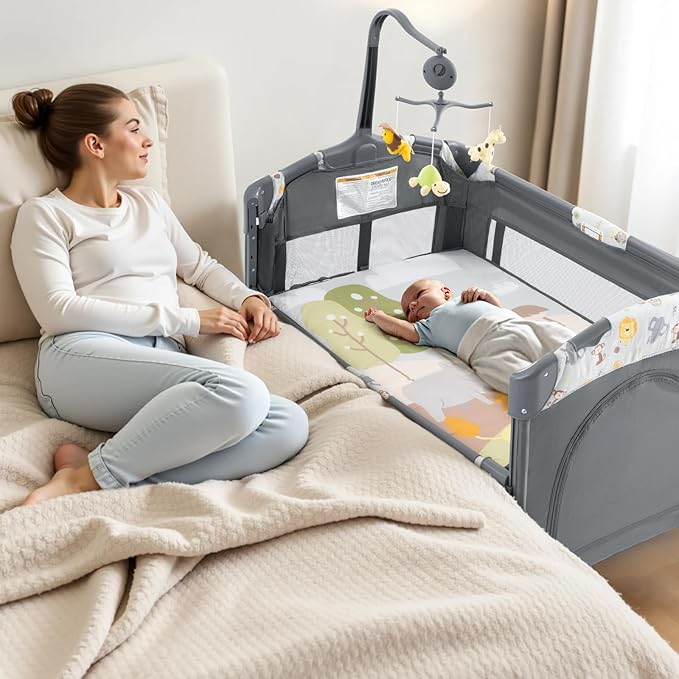
Sleep Training Methods Compared: Find the Right Approach for Your Family

Last Updated: February 2026

Sleep training methods range from “cry it out” to gentle no-cry approaches, and choosing the right one can feel overwhelming. This comprehensive guide compares the most popular sleep training methods—how they work, who they’re best for, and what research says about their effectiveness and safety.

Quick Takeaways

  • Multiple sleep training methods exist—there’s no single “right” way
  • All evidence-based methods show similar effectiveness within 2-4 weeks
  • Research consistently shows sleep training is safe and doesn’t harm attachment
  • The best method is one you can follow consistently

What Is Sleep Training?

Sleep training teaches babies to fall asleep independently and return to sleep when they wake at night. It’s NOT:

  • Letting babies cry alone indefinitely
  • Ignoring your baby’s needs
  • Neglect or abandonment

Sleep training IS:

  • Teaching a skill (self-soothing)
  • Helping babies link sleep cycles
  • Creating healthy sleep habits
  • Responding appropriately to your baby’s needs

When to Start Sleep Training

Most experts recommend waiting until:

  • Baby is 4-6 months old (or adjusted age if premature)
  • Baby weighs at least 14 lbs (for longer stretches without feeding)
  • Pediatrician confirms baby can go longer between night feeds
  • Baby shows signs of readiness (able to self-soothe briefly)

Some gentle methods can begin earlier; more intensive methods typically wait until 4-6 months.

The Sleep Training Methods Compared

Method 1: Extinction (Cry It Out / CIO)

What it is: Put baby down drowsy but awake and don’t return until morning (or a predetermined time).
How it works:
1. Complete bedtime routine
2. Put baby in crib awake
3. Leave the room
4. Don’t return until predetermined wake time (or if safety concern)
Pros:

  • Fastest results (often 3-5 days)
  • Clearest message for baby
  • Least overall crying (cumulative)

Cons:

  • Emotionally difficult for parents
  • Significant crying the first few nights
  • Harder to implement if you share a room

Best for: Parents who can commit to consistency; babies who escalate with parental presence; families who need quick results.
Research says: Studies show no negative effects on attachment, child development, or parent-child relationship.

Method 2: Ferber Method (Graduated Extinction)

What it is: Progressive waiting—check on baby at increasing intervals while they learn to self-soothe.
How it works:
1. Complete bedtime routine
2. Put baby in crib awake
3. Leave the room
4. Return at predetermined intervals (3 min, then 5 min, then 10 min, etc.)
5. Brief check-in (1-2 minutes): pat, soothe verbally, don’t pick up
6. Leave and repeat
Sample schedule:
| Night | 1st wait | 2nd wait | 3rd wait | Subsequent waits |
|——-|———-|———-|———-|—————–|
| 1 | 3 min | 5 min | 10 min | 10 min |
| 2 | 5 min | 10 min | 12 min | 12 min |
| 3 | 10 min | 12 min | 15 min | 15 min |
Pros:

  • Check-ins reassure baby and parents
  • Structured approach
  • Typically works within 1-2 weeks
  • Well-researched

Cons:

  • Check-ins can sometimes increase crying for some babies
  • Requires tracking time (stressful for some parents)
  • Some crying involved

Best for: Parents who want structure but need to check on baby; parents who can’t tolerate full extinction.

Method 3: Chair Method (Camping Out)

What it is: Parent sits in a chair near the crib, gradually moving further away over days/weeks.
How it works:
1. Complete bedtime routine
2. Put baby in crib awake
3. Sit in a chair next to the crib
4. Stay until baby falls asleep (can pat/shush but limit interaction)
5. Every 2-3 nights, move chair further from crib
6. Eventually chair is outside the door, then gone
Timeline:

  • Nights 1-3: Chair next to crib
  • Nights 4-6: Chair halfway across room
  • Nights 7-9: Chair by door
  • Nights 10-12: Chair outside door (can hear you)
  • Nights 13+: Out of sight

Pros:

  • Less crying than extinction methods
  • Presence is comforting for baby
  • Gradual transition
  • Parent feels more involved

Cons:

  • Takes longer (2-4 weeks)
  • Parent must stay in room (can be boring/uncomfortable)
  • Some babies get MORE upset with parent present but not responding

Best for: Parents who can’t handle significant crying; babies who are comforted (not stimulated) by parent presence.

Method 4: Pick Up / Put Down (PUPD)

What it is: Pick baby up when crying, calm them, put them back down. Repeat until asleep.
How it works:
1. Complete bedtime routine
2. Put baby in crib awake
3. When baby cries, pick up and soothe briefly
4. As soon as calm (not asleep), put back down
5. Repeat as many times as needed
6. Gradually, baby needs fewer pick-ups
Pros:

  • Lots of parental contact
  • Baby is never left to cry alone
  • Feels gentle to parents

Cons:

  • Can take many, many repetitions (100+ in one night isn’t unusual)
  • Physically exhausting for parents
  • Can be overstimulating for some babies
  • Takes longer to see results

Best for: Parents who want hands-on involvement; younger babies (under 6 months); parents who can’t handle any crying.

Method 5: Fading (Gentle Sleep Training)

What it is: Gradually reduce parental assistance in whatever form baby currently needs (rocking, feeding, etc.).
How it works (example: reducing rocking):

  • Week 1: Rock until drowsy, put down awake
  • Week 2: Rock for shorter time, put down more awake
  • Week 3: Just hold briefly, put down awake
  • Week 4: Pat in crib instead of holding
  • Week 5: Just presence, no touching

Similar process for night feedings (gradually reduce minutes/ounces).

Pros:

  • Very gradual—minimal crying
  • Customizable to your situation
  • Works on specific sleep associations

Cons:

  • Slowest method (weeks to months)
  • Progress can feel imperceptible
  • Easy to “slip” and undo progress

Best for: Parents who have time and patience; strong associations that need gradual removal; parents opposed to any crying.

Method 6: Bedtime Fading

What it is: Adjust bedtime later to match when baby naturally falls asleep, then gradually move it earlier.
How it works:
1. Determine when baby naturally falls asleep (say, 9 PM)
2. Make that the temporary bedtime
3. Baby falls asleep quickly (no fighting)
4. Every 2-3 days, move bedtime 15-30 minutes earlier
5. Continue until desired bedtime is reached
Pros:

  • Very little crying
  • Works with baby’s natural rhythms
  • Good for babies who fight bedtime

Cons:

  • Takes time
  • Late bedtimes initially
  • Doesn’t address night wakings directly

Best for: Babies who fight bedtime specifically; families who need a gentle starting point.

Method 7: Wake-to-Sleep

What it is: Gently rouse baby before their typical wake time to disrupt the cycle.
How it works:
1. Track when baby typically wakes (say, 11 PM)
2. Set alarm for 30-60 minutes before that time (10 PM)
3. Gently rouse baby (a touch, not fully waking)
4. Baby stirs, resettles, enters new sleep cycle
5. Repeat for a week, then stop
Pros:

  • No crying
  • Disrupts habitual waking
  • Works well for predictable wake times

Cons:

  • Only works for predictable wakings
  • Requires waking yourself
  • Doesn’t work for all babies

Best for: Babies with predictable wake times; habitual wakings that aren’t hunger-related.

Comparison Chart

| Method | Crying Level | Time to Results | Parental Involvement | Consistency Difficulty |
|——–|————-|—————–|———————|———————-|
| Extinction (CIO) | High initially, lowest overall | 3-5 days | Low | Easy |
| Ferber | Moderate | 1-2 weeks | Moderate | Moderate |
| Chair | Moderate-Low | 2-4 weeks | High | Moderate |
| Pick Up/Put Down | Low-Moderate | 1-3 weeks | Very High | Hard |
| Fading | Very Low | 3-6 weeks | High | Hard |
| Bedtime Fading | Very Low | 2-4 weeks | Moderate | Moderate |

What Research Says About Sleep Training

Is It Safe?

Yes. Multiple studies show:

  • No negative effects on attachment
  • No increased cortisol long-term
  • No behavioral problems
  • No differences in parent-child relationship
  • No negative effects on breastfeeding duration

The largest studies followed children for years and found no harm.

Which Method Works Best?

Research shows all methods work when applied consistently. The key factors for success:
1. Consistency: Sticking with the chosen method
2. Timing: Baby is developmentally ready
3. Environment: Dark, cool, consistent sleep space
4. Routine: Predictable bedtime routine

The “best” method is one you’ll actually follow through on.

Before You Start: The Foundation

Sleep Environment

  • Dark room: Use blackout curtains
  • Cool temperature: 68-72°F (20-22°C)
  • White noise: Masks disruptions
  • Safe sleep space: Following AAP guidelines

Bedtime Routine

Create a consistent routine (15-30 minutes):

  • Bath
  • Pajamas
  • Feeding (ending before drowsy)
  • Book or song
  • Goodnight phrase
  • Into crib awake

Age-Appropriate Schedule

| Age | Wake Windows | Naps | Night Sleep |
|—–|————–|——|————-|
| 4-6 months | 2-2.5 hours | 3 naps | 10-12 hours |
| 6-9 months | 2.5-3.5 hours | 2-3 naps | 10-12 hours |
| 9-12 months | 3-4 hours | 2 naps | 10-12 hours |
| 12-18 months | 4-5 hours | 1-2 naps | 10-12 hours |

An overtired baby is harder to sleep train!

Address Night Feeds

If baby still needs night feeds, discuss with pediatrician:

  • When to wean vs. when to keep
  • How many feeds are appropriate for age
  • How to reduce gradually

Choosing Your Method

Consider These Questions:

About your baby:

  • Does parental presence help or stimulate your baby?
  • How does your baby respond to crying (quick recovery or escalation)?
  • Any health considerations?

About you:

  • How do you handle hearing crying?
  • Can you stay consistent under pressure?
  • Do you have a co-parent who agrees on approach?

About your situation:

  • Are you sharing a room?
  • Do you have time for a gradual approach?
  • Is there urgency (returning to work, etc.)?

Quick Decision Guide

Choose CIO/Ferber if:

  • You need quick results
  • Your baby escalates with parent presence
  • You can handle initial crying knowing it will improve

Choose Chair/Fading if:

  • You can’t handle significant crying
  • You have time for gradual change
  • Your baby is calmed (not stimulated) by your presence

Choose Pick Up/Put Down if:

  • You want hands-on involvement
  • You have physical stamina for repetition
  • Baby is under 6 months

Tips for Success

1. Be consistent: The method matters less than consistency
2. Both parents agree: Mixed messages confuse babies
3. Commit to at least a week: Results take time
4. Don’t start during transitions: Travel, illness, or big changes
5. Address sleep environment first: Dark, cool, white noise
6. Watch wake windows: Overtired = harder sleep training
7. Have a backup plan: Know what to do if you need to abandon temporarily
8. Trust the process: It gets worse before it gets better (extinction burst)
9. Take care of yourself: This is hard—support each other

Frequently Asked Questions

Will my baby hate me if I let them cry?

No. Research consistently shows no damage to attachment. Babies don’t remember sleep training, and your daytime responsiveness matters more than night methods.

What if sleep training doesn’t work?

Give any method at least a week of consistency. If still not working after 2 weeks: reassess schedule, environment, and method fit. Some babies need a different approach.

Can I sleep train while breastfeeding?

Yes. Sleep training is compatible with breastfeeding. You can continue night feeds while teaching independent sleep skills at bedtime.

What about sleep regressions?

Sleep regressions are temporary. Stay consistent with your approach. If your baby was sleep trained before, they typically return to baseline quickly.

Should I sleep train naps and nights at the same time?

Most experts recommend starting with bedtime only. Once nights improve (about a week), tackle naps. Some families do all at once successfully.

Sources:

  • AAP – Safe Sleep Guidelines
  • Pediatrics Journal – Sleep Intervention Studies
  • Dr. Richard Ferber – Solve Your Child’s Sleep Problems
  • Sleep Foundation – Infant Sleep
  • Tracy Hogg – The Baby Whisperer
  • Mindell et al. – Behavioral Treatment of Bedtime Problems and Night Wakings

Baby-Led Weaning: Complete Beginner’s Guide with First Foods List

Last Updated: February 2026

Baby-led weaning (BLW) lets babies feed themselves solid foods from the start—no purees, no spoons. This approach builds independence, develops motor skills, and makes mealtimes less stressful. If you’re curious whether baby-led weaning is right for your family, this guide covers everything from first foods to safety essentials.

Quick Takeaways

  • Baby-led weaning means letting babies self-feed finger foods from 6 months
  • Skip purees entirely OR combine BLW with spoon-feeding (both work)
  • Gagging is normal and different from choking—learn the difference
  • Offer soft, finger-sized foods that baby can grasp and control

What Is Baby-Led Weaning?

Baby-led weaning is an approach to introducing solid foods where:

  • Baby feeds themselves from the start
  • Food is offered as finger foods, not purees
  • Baby controls what and how much they eat
  • Family meals are shared together

The term was popularized by Gill Rapley, a UK health visitor and midwife.

BLW vs. Traditional Weaning

| Traditional Weaning | Baby-Led Weaning |
|——————–|——————|
| Starts with purees | Starts with finger foods |
| Parent spoon-feeds | Baby self-feeds |
| Gradual texture progression | Varied textures from start |
| Parent controls intake | Baby controls intake |

Combination Approach

Many families do BOTH:

  • Spoon-feed purees sometimes
  • Offer finger foods sometimes
  • Let baby self-feed with pre-loaded spoons

There’s no “right” way—do what works for your family.

Benefits of Baby-Led Weaning

Research and parent experience suggest BLW may:

For Baby

  • Develops fine motor skills: Grasping, chewing, hand-eye coordination
  • Encourages self-regulation: Baby learns to eat to satiety
  • Exposes to varied textures: May reduce picky eating later
  • Builds independence: Baby participates in feeding
  • Supports oral development: Chewing strengthens jaw muscles

For Parents

  • Less meal prep: Baby eats (modified) family food
  • No separate “baby food” needed: Saves money
  • Less stressful mealtimes: No battles over “one more bite”
  • Family meals together: Everyone eats the same thing

What Research Says

Studies show BLW babies may:

  • Be more receptive to variety of foods
  • Have better appetite control
  • Have similar iron and nutrient intake when done properly
  • Show no difference in choking risk (with proper food preparation)

Is Your Baby Ready for BLW?

Signs of Readiness (around 6 months)

All of these should be present:

  • [ ] Can sit upright with minimal support
  • [ ] Has good head and neck control
  • [ ] Shows interest in food (watching you eat, reaching)
  • [ ] Has lost the tongue-thrust reflex (doesn’t push food out)
  • [ ] Can bring objects to mouth
  • [ ] Can grasp objects

Note: The AAP and WHO recommend exclusive breastfeeding/formula until 6 months. Starting solids before 6 months isn’t recommended for BLW.

NOT Signs of Readiness

  • Waking more at night (could be developmental)
  • Watching you eat (babies watch everything!)
  • Being a certain age alone (readiness matters more than calendar)

Getting Started: Essential Supplies

Must-Have

  • High chair: Upright positioning is crucial for safety
  • Suction plate or tray: Keeps food from flying
  • Easy-clean bib: Silicone with pocket catches food
  • Soft spoons: For pre-loaded self-feeding
  • Floor mat: Catches dropped food (a shower curtain works!)

Nice-to-Have

  • Silicone divided plate
  • Open cup or straw cup
  • Mesh feeder for slippery fruits

First Foods for Baby-Led Weaning

The Best First Foods

Ideal characteristics:

  • Soft enough to mash with gums
  • Finger-sized (length of adult finger, width of two fingers)
  • Easy to grasp with beginner grip
  • Nutritious

Week 1-2: Simple Single Ingredients

Fruits:

  • Banana (leave some peel for grip)
  • Avocado (spears or rolled in hemp seeds for grip)
  • Ripe pear (soft, peeled)
  • Ripe mango (soft spears)
  • Steamed apple (soft enough to mash)

Vegetables:

  • Steamed broccoli florets (perfect handle!)
  • Roasted sweet potato sticks
  • Steamed carrot sticks (very soft)
  • Avocado spears
  • Steamed zucchini spears

Proteins:

  • Scrambled eggs (soft, large pieces)
  • Shredded chicken (large, moist pieces)
  • Ground beef (large patties or strips)
  • Flaked salmon
  • Lentils (mashed or in patties)

Grains:

  • Toast strips with nut butter
  • Large cooked pasta shapes
  • Soft pancakes cut in strips
  • Oatmeal (thick, scoopable)

Week 3-4: Expanding Variety

Add:

  • Different vegetables (butternut squash, green beans, beets)
  • Different proteins (beans, tofu, lamb)
  • Different fruits (melon, berries, peaches)
  • More complex flavors (herbs, spices—no honey or added salt)

Month 2+: Family Foods

  • Modified versions of what the family eats
  • Cut appropriately for safety
  • No added salt, sugar, or honey

How to Prepare Foods Safely

The “Squish Test”

Food should squish easily between your fingers. If it’s too hard to squish, it’s too hard for baby.

Preparation Guidelines by Food

| Food | Safe Preparation |
|——|——————|
| Banana | Cut in half lengthwise, leave some peel for grip |
| Avocado | Spears or halved; roll in hemp seeds if too slippery |
| Sweet potato | Roasted until very soft, cut in thick sticks |
| Broccoli | Steamed until very soft, serve florets with “handle” |
| Meat | Moist, shredded or in large strips; ground beef in patties |
| Egg | Scrambled in large pieces or as omelette strips |
| Toast | Spread with nut butter, cut in strips |
| Pasta | Large shapes (rigatoni, penne); not small shapes |
| Berries | Smash slightly; cut grapes/cherries in quarters lengthwise |

Foods to AVOID Before Age 1

Choking Hazards:

  • Whole grapes, cherry tomatoes (cut in quarters lengthwise)
  • Whole nuts (use nut butters instead)
  • Popcorn
  • Hot dogs (cut lengthwise, then chop)
  • Raw hard vegetables (carrots, apple) – must be cooked soft
  • Chunks of hard cheese
  • Globs of nut butter (spread thin)
  • Marshmallows
  • Tough or chewy meat
  • Sticky foods (large amounts of bread, spoonfuls of nut butter)

Other Restricted Foods:

  • Honey (botulism risk under 1 year)
  • Added salt
  • Added sugar
  • Cow’s milk as main drink (okay in cooking)
  • Low-fat foods (babies need fat)
  • Unpasteurized dairy
  • Raw or undercooked eggs/meat

Gagging vs. Choking: Know the Difference

Gagging (NORMAL)

Gagging is a safety reflex that prevents choking. In babies, the gag reflex is triggered further forward in the mouth than adults.
Signs of gagging:

  • Retching, coughing sounds
  • Watery eyes
  • Red face
  • Forward tongue movement
  • Baby is able to breathe and make sounds

What to do:

  • Stay calm (your panic scares baby)
  • Let baby work it out
  • Don’t pat back or intervene unless choking
  • Offer encouragement: “You’re doing great!”

Gagging decreases as baby learns to manage food—usually within weeks.

Choking (EMERGENCY)

Choking means airway is blocked.
Signs of choking:

  • Silent or high-pitched sounds (can’t cry or cough effectively)
  • Unable to breathe
  • Blue around lips
  • Panic
  • Loss of consciousness

What to do:
1. Stay calm
2. If baby is coughing forcefully, let them clear it
3. If silent/unable to breathe: Begin infant choking protocol
4. Call 911 if airway not cleared
EVERY caregiver should take infant CPR/choking training before starting solids.

What to Expect: The First Weeks

Week 1: Exploration

  • Baby will mostly play with food
  • Very little actually eaten (and that’s okay!)
  • Expect gagging as they learn
  • Lots of mess

Week 2-3: Learning

  • Better at picking up food
  • Some food makes it to mouth
  • Gagging decreases
  • Beginning to chew/gum food

Week 4+: Eating

  • More food consumed
  • Pincer grasp developing (picking up smaller pieces)
  • Less gagging
  • Showing food preferences

First Year

  • Milk remains primary nutrition until age 1
  • Solids are for practice, not primary calories
  • “Food before one is just for fun” (mostly true!)
  • Gradually increase variety and amount

Sample BLW Meal Plan (6-8 Months)

Day 1

Breakfast: Banana spears, toast strips with thin nut butter
Lunch: Steamed broccoli florets, avocado spears
Dinner: Shredded chicken, roasted sweet potato sticks

Day 2

Breakfast: Scrambled eggs, steamed apple slices
Lunch: Lentil patties, steamed carrot sticks
Dinner: Salmon flakes, soft pasta, steamed peas (smashed)

Day 3

Breakfast: Oatmeal (thick, self-feedable), ripe pear slices
Lunch: Black bean patties, steamed zucchini
Dinner: Ground beef strips, mashed potato, steamed green beans

Common BLW Concerns

“My baby isn’t eating anything!”

This is normal for weeks or even months. Milk provides nutrition; food is for learning. Focus on exposure and practice, not consumption.

“There’s so much gagging!”

Gagging is protective and decreases with practice. As long as baby is breathing and not turning blue, let them work through it. Stay calm.

“Should I offer water?”

Yes! Offer water in an open cup or straw cup with meals. Don’t expect them to drink much at first—it’s practice.

“What about iron?”

Offer iron-rich foods daily: meat, eggs, beans, fortified cereals, dark leafy greens. If breastfed, discuss iron supplementation with your pediatrician.

“My baby only likes certain foods.”

Keep offering variety. It can take 10-15 exposures for acceptance. Don’t give up on foods after one rejection.

“Isn’t this a choking hazard?”

Research shows BLW is not associated with higher choking risk when foods are prepared appropriately. The key is proper food preparation and supervision.

Tips for BLW Success

1. Offer food when baby is alert, not tired or hungry
2. Sit with baby during all meals (safety + modeling)
3. Don’t hover or interfere—let them explore
4. Embrace the mess—it’s temporary and necessary
5. Take an infant CPR class before starting
6. Trust your baby—they know when they’re full
7. Keep offering variety—even refused foods
8. Make it fun—meals should be positive experiences
9. Go at baby’s pace—no pressure to eat amounts
10. Modify family meals—easier than making separate food

Frequently Asked Questions

Can I do BLW if my baby has no teeth?

Yes! Babies gum food very effectively. Many babies start solids with no teeth and do fine.

Is BLW safe for premature babies?

Consult with your pediatrician. Premature babies may have different readiness timelines and may need modified approaches.

What if my baby has allergies in the family?

Current guidelines recommend introducing allergens (peanut, egg, etc.) early and often, starting around 6 months. Discuss with your pediatrician.

Can I do BLW if I use daycare?

Yes! Share your approach with caregivers, provide appropriate finger foods, and ensure they understand gagging vs. choking.

How do I know if baby is getting enough food?

Watch diapers (plenty of wet and dirty), growth curves, and energy levels. Milk remains primary nutrition until age 1; solids supplement.

Sources:

  • Gill Rapley – Baby-Led Weaning
  • American Academy of Pediatrics (AAP) – Starting Solid Foods
  • World Health Organization (WHO) – Infant Feeding
  • Solid Starts – Food Database
  • CDC – Infant and Toddler Nutrition

Complete Baby Milestone Chart: Month-by-Month Development Guide (0-12 Months)

Last Updated: February 2026

Tracking baby milestones by month helps you celebrate your child’s growth and catch potential concerns early. This comprehensive guide covers physical, cognitive, social, and language development from birth to 12 months, based on CDC and AAP guidelines—plus what to do if you have concerns.

Quick Takeaways

  • Milestones are guidelines, not strict deadlines—every baby develops differently
  • Focus on overall progress, not hitting every milestone “on time”
  • Contact your pediatrician if you notice developmental regression or significant delays
  • Premature babies should use adjusted age for milestone tracking

How to Use This Milestone Guide

Remember: Ranges Are Normal

Each milestone has a typical age range. A baby who walks at 9 months and one who walks at 15 months are both “normal.” This guide shows average timing, but variation is expected.

Adjusted Age for Preemies

If your baby was born premature, calculate their “adjusted age”:

  • If born 2 months early, a 4-month-old is developmentally like a 2-month-old
  • Use adjusted age until age 2 for most milestones

Track Progress, Not Perfection

What matters most:

  • Steady progress over time
  • Meeting most (not all) milestones within range
  • No loss of previously acquired skills

Newborn (0-1 Month)

Physical Development

  • [ ] Jerky, uncoordinated arm and leg movements
  • [ ] Keeps hands in tight fists
  • [ ] Turns head side to side when on back
  • [ ] Strong reflexes: rooting, sucking, grasping, Moro (startle)
  • [ ] Prefers fetal position when sleeping

Vision and Hearing

  • [ ] Sees faces and objects 8-12 inches away
  • [ ] Prefers high contrast patterns (black and white)
  • [ ] Startles at loud sounds
  • [ ] Recognizes parent’s voice
  • [ ] Briefly tracks slowly moving objects

Social-Emotional

  • [ ] Prefers human faces over objects
  • [ ] Calms when picked up and held
  • [ ] Recognizes parent’s scent
  • [ ] Cries to communicate needs

What You Can Do

  • Hold baby close for bonding
  • Make eye contact during feeding
  • Talk and sing to your baby
  • Provide tummy time when awake (even a few minutes)

1 Month

Physical Development

  • [ ] Lifts head briefly during tummy time
  • [ ] Smoother arm and leg movements
  • [ ] Hands may start to relax from fist position
  • [ ] Makes jerky, quivery arm movements

Vision and Hearing

  • [ ] Focuses on faces at close range
  • [ ] Begins following moving objects with eyes
  • [ ] Quiets or smiles at familiar voices
  • [ ] May turn toward sounds

Social-Emotional

  • [ ] Brief periods of alertness
  • [ ] Begins to develop social smile
  • [ ] Different cries for different needs (hunger, discomfort)

Communication

  • [ ] Makes soft cooing sounds
  • [ ] Cries to communicate
  • [ ] Listens when spoken to

2 Months

Physical Development

  • [ ] Lifts head and chest during tummy time
  • [ ] Supports upper body with arms on tummy
  • [ ] Movements become smoother and more purposeful
  • [ ] Opens and shuts hands
  • [ ] Brings hands to mouth

Vision

  • [ ] Follows moving objects with eyes
  • [ ] Recognizes familiar people at a distance
  • [ ] Begins coordinating eye movements
  • [ ] Interested in faces

Social-Emotional

  • [ ] Social smile emerges (responds to your smile)
  • [ ] Enjoys playing with people
  • [ ] May become fussy if activity stops
  • [ ] Beginning to self-soothe (briefly)

Communication

  • [ ] Coos and gurgles
  • [ ] Makes “ooh” and “aah” sounds
  • [ ] Cries differently for different needs
  • [ ] Begins to smile at people

Red Flags at 2 Months

Contact your pediatrician if baby:

  • Doesn’t respond to loud sounds
  • Doesn’t watch things as they move
  • Doesn’t smile at people
  • Doesn’t bring hands to mouth
  • Can’t hold head up when pushing up on tummy

3 Months

Physical Development

  • [ ] Holds head steady when upright
  • [ ] Pushes up on arms during tummy time
  • [ ] Opens and closes hands
  • [ ] Brings hands together
  • [ ] Pushes down on legs when feet on firm surface
  • [ ] May begin rolling (tummy to back)

Vision and Coordination

  • [ ] Tracks objects across full range of vision
  • [ ] Watches faces intently
  • [ ] Recognizes familiar objects and people
  • [ ] Hand-eye coordination developing (swipes at objects)

Social-Emotional

  • [ ] Smiles spontaneously
  • [ ] Enjoys playing with people; may cry when playing stops
  • [ ] Facial expressions more communicative
  • [ ] Imitates some movements and expressions

Communication

  • [ ] Begins to babble
  • [ ] Imitates some sounds
  • [ ] Uses different cries for different needs
  • [ ] “Talks” back when you speak

4 Months

Physical Development

  • [ ] Holds head steady without support
  • [ ] Pushes up to elbows during tummy time
  • [ ] May roll from tummy to back
  • [ ] Holds and shakes toys
  • [ ] Brings hands to mouth reliably
  • [ ] Pushes down on legs when standing on firm surface

Vision and Coordination

  • [ ] Hand-eye coordination improving
  • [ ] Reaches for toys with one hand
  • [ ] Uses eyes and hands together
  • [ ] Follows moving things with eyes from side to side

Social-Emotional

  • [ ] Smiles spontaneously at people
  • [ ] Enjoys playing and may cry when playing stops
  • [ ] Copies some facial expressions
  • [ ] Begins to show emotions like happiness and sadness

Communication

  • [ ] Babbles with expression
  • [ ] Copies sounds and facial expressions
  • [ ] Responds to affection
  • [ ] May begin to imitate “mama” and “dada” sounds

Red Flags at 4 Months

Contact your pediatrician if baby:

  • Doesn’t watch things as they move
  • Doesn’t smile at people
  • Can’t hold head steady
  • Doesn’t coo or make sounds
  • Doesn’t bring things to mouth
  • Doesn’t push down with legs when feet on hard surface
  • Has trouble moving eyes in all directions

5 Months

Physical Development

  • [ ] Rolls from tummy to back
  • [ ] May roll from back to tummy
  • [ ] Sits with support
  • [ ] Bears weight on legs when held standing
  • [ ] Grasps toys well
  • [ ] Transfers objects between hands (beginning)

Vision and Coordination

  • [ ] Reaches for objects easily
  • [ ] Mouths everything
  • [ ] Fascinated by hands
  • [ ] Tracks quickly moving objects

Social-Emotional

  • [ ] Loves looking at self in mirror
  • [ ] Shows curiosity about new things
  • [ ] Distinguishes between familiar and unfamiliar people
  • [ ] Plays social games (peekaboo beginnings)

Communication

  • [ ] Babbling includes more consonant sounds
  • [ ] Responds to their name
  • [ ] Expresses displeasure through sounds
  • [ ] May begin repeating single syllables

6 Months

Physical Development

  • [ ] Rolls both ways (tummy to back and back to tummy)
  • [ ] Sits with little or no support
  • [ ] Supports weight when standing with help
  • [ ] May begin rocking back and forth
  • [ ] May start scooting or crawling position
  • [ ] Passes toys from hand to hand

Vision and Coordination

  • [ ] Full color vision developed
  • [ ] Improving distance vision
  • [ ] Curious about objects; tries to get things out of reach
  • [ ] Puts everything in mouth

Social-Emotional

  • [ ] Knows familiar people
  • [ ] Enjoys looking at self in mirror
  • [ ] May show anxiety with strangers
  • [ ] Enjoys social play
  • [ ] Responds to emotions in others

Communication

  • [ ] Responds to own name
  • [ ] Babbles chains of sounds (bababa, mamama)
  • [ ] Makes sounds to express emotion
  • [ ] Takes turns “talking” with you
  • [ ] Responds to “no” (sometimes)

Eating

  • [ ] Ready for solid foods (shows interest, sits with support, lost tongue-thrust reflex)
  • [ ] Opens mouth for spoon
  • [ ] Moves food to back of mouth

Red Flags at 6 Months

Contact your pediatrician if baby:

  • Doesn’t try to get things that are in reach
  • Shows no affection for caregivers
  • Doesn’t respond to sounds
  • Has difficulty getting things to mouth
  • Doesn’t make vowel sounds (ah, eh, oh)
  • Doesn’t roll in either direction
  • Doesn’t laugh or squeal
  • Seems very stiff or very floppy

7 Months

Physical Development

  • [ ] Sits without support
  • [ ] Supports whole weight on legs
  • [ ] May begin crawling or army crawling
  • [ ] May pull up to standing
  • [ ] Uses raking grasp to pick up small objects

Cognitive

  • [ ] Finds partially hidden objects
  • [ ] Explores objects by shaking, banging, throwing
  • [ ] Beginning to understand cause and effect

Social-Emotional

  • [ ] Stranger anxiety may appear
  • [ ] May be clingy with familiar adults
  • [ ] Enjoys games like peekaboo
  • [ ] Shows strong preferences

Communication

  • [ ] Combines different sounds when babbling
  • [ ] May begin to say “mama” or “dada” (without meaning)
  • [ ] Uses gestures to communicate

8 Months

Physical Development

  • [ ] Sits well without support
  • [ ] Crawling or scooting
  • [ ] May pull to stand
  • [ ] Picks up objects with thumb and finger (pincer grasp developing)
  • [ ] Points at objects

Cognitive

  • [ ] Looks for objects when dropped (object permanence developing)
  • [ ] Explores objects in different ways
  • [ ] Watches path of falling objects

Social-Emotional

  • [ ] Stranger anxiety peaks
  • [ ] May be clingy
  • [ ] Looks for familiar people when upset
  • [ ] Has favorite toys

Communication

  • [ ] Says “dada” and “mama” (may not be meaningful yet)
  • [ ] Understanding of words increasing
  • [ ] Uses gestures (pointing, waving)
  • [ ] Makes many different sounds

9 Months

Physical Development

  • [ ] Stands holding on
  • [ ] Can get into sitting position
  • [ ] Sits without support
  • [ ] Pulls to stand
  • [ ] Crawls efficiently
  • [ ] Pincer grasp (picks up small objects with thumb and index finger)

Cognitive

  • [ ] Understands “no”
  • [ ] Looks for hidden toys
  • [ ] Points to objects
  • [ ] Watches faces intently for reactions

Social-Emotional

  • [ ] May be clingy and afraid of strangers
  • [ ] Has favorite toys
  • [ ] Understands word “no” (may not always obey)
  • [ ] Points to show interest

Communication

  • [ ] Understands “no”
  • [ ] Makes many different sounds like “mamamama” and “bababababa”
  • [ ] Copies sounds and gestures
  • [ ] Points at things
  • [ ] May say first word

Red Flags at 9 Months

Contact your pediatrician if baby:

  • Doesn’t bear weight on legs with support
  • Doesn’t sit with help
  • Doesn’t babble (mama, baba, dada)
  • Doesn’t play any back-and-forth games
  • Doesn’t respond to own name
  • Doesn’t seem to recognize familiar people
  • Doesn’t look where you point
  • Doesn’t transfer toys from one hand to another

10 Months

Physical Development

  • [ ] Cruises (walks holding furniture)
  • [ ] May stand alone briefly
  • [ ] Sits down from standing position
  • [ ] Puts objects into containers
  • [ ] Releases objects voluntarily

Cognitive

  • [ ] Explores objects in many different ways
  • [ ] Finds hidden objects easily
  • [ ] Looks at correct picture when object is named
  • [ ] Begins using objects correctly (brush hair, hold phone to ear)

Communication

  • [ ] Uses gestures like waving and pointing
  • [ ] Says “dada” and “mama” with meaning
  • [ ] Tries to copy words
  • [ ] Understands simple commands

11 Months

Physical Development

  • [ ] Stands alone
  • [ ] May take first steps
  • [ ] Cruises well
  • [ ] Picks up small objects easily
  • [ ] Can drink from cup with help

Cognitive

  • [ ] Follows simple directions
  • [ ] Copies gestures
  • [ ] Knows what everyday objects are for (phone, brush)

Social-Emotional

  • [ ] Tests parental responses
  • [ ] Shows preferences for people and toys
  • [ ] Repeats sounds or actions to get attention
  • [ ] Cooperates with dressing (holds out arm, foot)

Communication

  • [ ] Uses “mama” and “dada” and maybe one other word
  • [ ] Uses gestures like shaking head “no”
  • [ ] Waves bye-bye
  • [ ] Points to get attention

12 Months (1 Year)

Physical Development

  • [ ] May walk independently (or close to it)
  • [ ] Pulls up to stand
  • [ ] Cruises
  • [ ] May stand alone
  • [ ] Pincer grasp refined
  • [ ] Puts objects in container and takes them out
  • [ ] Bangs two things together
  • [ ] Pokes with index finger

Cognitive

  • [ ] Explores objects in different ways
  • [ ] Finds hidden objects easily
  • [ ] Looks at correct picture when image is named
  • [ ] Copies gestures
  • [ ] Starts using objects correctly (phone to ear, brush hair)
  • [ ] Follows simple directions (“Pick up the ball”)

Social-Emotional

  • [ ] Shy or anxious with strangers
  • [ ] Cries when parent leaves
  • [ ] Has favorite toys and people
  • [ ] Shows fear in some situations
  • [ ] Hands you a book when wants to hear a story
  • [ ] Repeats actions for attention
  • [ ] Cooperates with dressing

Communication

  • [ ] Says 1-3 words
  • [ ] Uses “mama” and “dada” correctly
  • [ ] Tries to copy words
  • [ ] Uses simple gestures (waving, shaking head)
  • [ ] Points to things wanted
  • [ ] Responds to simple verbal requests
  • [ ] Understands many more words than can say

Red Flags at 12 Months

Contact your pediatrician if baby:

  • Doesn’t crawl
  • Can’t stand when supported
  • Doesn’t search for things that are hidden
  • Doesn’t say single words like “mama” or “dada”
  • Doesn’t learn gestures like waving or shaking head
  • Doesn’t point to things
  • Loses skills they once had

Milestone Checklist Summary

| Age | Major Milestones |
|—–|——————|
| 2 months | Social smile, tracks objects, lifts head |
| 4 months | Holds head steady, reaches for toys, laughs |
| 6 months | Sits with support, babbles, rolls both ways |
| 9 months | Sits alone, crawls, says “mama/dada”, pincer grasp |
| 12 months | May walk, 1-3 words, follows simple directions |

When to Seek Help

Contact Your Pediatrician If Your Baby:

  • Loses skills they previously had (regression)
  • Doesn’t meet multiple milestones
  • Shows significant delays across categories
  • Doesn’t make eye contact or respond to people
  • Seems unusually stiff or floppy
  • Has difficulty eating or swallowing

Trust Your Instincts

You know your baby best. If something feels “off,” bring it up with your pediatrician. Early intervention (available free for children under 3 in the US) can make a significant difference in outcomes.

Frequently Asked Questions

My baby isn’t crawling at 9 months. Should I worry?

Not necessarily. Some babies skip crawling entirely and go straight to walking. As long as baby is finding ways to move (scooting, rolling) and meets other milestones, this is often normal. Discuss with your pediatrician at checkups.

My baby said “mama” at 6 months but stopped. Is this regression?

Early “mama/dada” sounds are usually babbling, not meaningful words. Babies may produce sounds, stop, then resume. True regression is losing intentional, meaningful skills—discuss with your pediatrician if concerned.

How accurate is adjusted age for premature babies?

Adjusted age is quite reliable for tracking development until about age 2. Preemies typically “catch up” on milestones, but some may have ongoing developmental differences.

What if my baby meets milestones early? Does it mean they’re gifted?

Early milestones don’t predict future intelligence or abilities. Development varies widely, and early achievers in one area may be typical in others.

Sources:

  • Centers for Disease Control and Prevention (CDC) – Developmental Milestones
  • American Academy of Pediatrics (AAP) – HealthyChildren.org
  • Zero to Three – Developmental Milestones
  • World Health Organization (WHO) – Child Growth Standards

How to Set Up a Safe Sleep Environment for Your Baby (2025 Guide)

Creating a safe sleep environment for your baby is one of the most important steps new parents can take. Good sleep supports healthy development, while a safe setup reduces the risk of Sudden Infant Death Syndrome (SIDS) and other sleep-related issues. In this guide, we’ll cover the best cribs, mattresses, swaddles, and baby sleep safety tips every parent should know in 2025.

How to Set Up a Safe Sleep Environment

Why a Safe Baby Sleep Environment Matters

Your newborn will spend 14–17 hours a day sleeping, so choosing the right crib, crib mattress, and swaddle is essential. According to the American Academy of Pediatrics (AAP), the safest sleep environment is a flat, firm sleep surface with no loose bedding, pillows, or stuffed animals.

Choosing the Best Crib for Your Baby

When shopping for a crib, look for models that meet current safety standards.

  • Ensure the crib slats are no more than 2 3/8 inches apart.
  • Avoid drop-side cribs, which are no longer considered safe.
  • Pick a crib with a sturdy frame and non-toxic finishes.

Top Crib Recommendations (2025):

Best Baby Cribs 2025 – Comparison Table

CribKey FeaturesProsPrice Range
Graco Benton 4-in-1 Convertible CribConvertible crib, JPMA certified, classic designAffordable, grows with baby$$
Babyletto Hudson CribEco-friendly, modern design, Greenguard Gold certifiedNon-toxic finish, stylish$$$
DaVinci Kalani CribJPMA certified, sturdy wood frameTimeless style, budget-friendly$$

Picking the Right Baby Mattress

A firm, breathable crib mattress helps keep your baby safe and comfortable. Avoid soft or plush surfaces.

Best Baby Mattresses (2025):

Best Baby Mattresses 2025 – Comparison Table

MattressKey FeaturesProsPrice Range
Newton Baby Crib Mattress100% breathable, washable coverReduces suffocation risk, eco-friendly$$$
Sealy Baby Firm RestFirm support, waterproof coverAffordable, lightweight$
Moonlight Slumber Little DreamerDual-sided (infant + toddler)Long-lasting, safe materials$$

Safe Baby Swaddles and Sleep Sacks

Swaddling helps newborns feel secure and sleep longer. But using the right baby swaddle or sleep sack is key to safety.

Best Swaddles & Sleep Sacks (2025):

Best Baby Swaddles & Sleep Sacks 2025 – Comparison Table

Swaddle/Sleep SackKey FeaturesProsPrice Range
Halo SleepsackWearable blanket, hospital-recommendedEasy to use, safe alternative to blankets$$
Love to Dream Swaddle UpHands-up design, zipper closurePromotes natural sleep position$$
Aden + Anais Classic Swaddle Blankets100% cotton muslin, breathableMulti-use (swaddle, stroller cover)$

Baby Sleep Safety Tips Every Parent Should Follow

  • Always place your baby on their back to sleep.
  • Keep the crib free of blankets, pillows, bumpers, and toys.
  • Share a room with your baby for at least the first 6 months (but not the same bed).
  • Maintain a cool, comfortable sleep environment (68–72°F is ideal).
  • Use a baby monitor for extra peace of mind.

Extra Tools for a Safe and Sound Sleep

Along with a safe crib, mattress, and swaddle, parents often find these items helpful:

What is the safest sleep environment for a newborn?

The safest environment is a firm, flat crib mattress inside a safety-certified crib with no pillows, blankets, bumpers, or toys. Always place your baby on their back to sleep.

Which crib mattress is best for preventing SIDS?

A firm, breathable crib mattress like the Newton Baby Crib Mattress is recommended because it allows airflow and reduces suffocation risks.

Can my baby sleep in a swaddle all night?

Yes, babies can sleep safely in a swaddle or sleep sack, as long as it fits properly, is breathable, and the baby is always placed on their back. Stop swaddling once your baby starts rolling over.

Is it safe to use blankets in a baby’s crib?

No. The AAP recommends no loose blankets, pillows, or toys in a crib. Instead, use a wearable blanket or sleep sack for warmth.

Do I need a baby monitor for safe sleep?

A baby monitor isn’t required but can give parents peace of mind. Options like the Owlet Dream Sock or Hatch Rest+ also track sleep quality.

Final Thoughts

Setting up a safe sleep environment for your baby doesn’t need to be overwhelming. By choosing a JPMA-certified crib, a firm, breathable mattress, and a safe swaddle or sleep sack, you’ll create the best possible conditions for your newborn’s health and safety.

When in doubt, always follow AAP baby sleep guidelines and consult your pediatrician for personalized advice.

Calling all new parents! Don’t miss our ultimate Newborn Essentials Checklist to make sure you have everything you need for your new baby. 🍼 #NewParents #BabyChecklist

Newborn Essentials Checklist 2025: Must-Have Baby Items for New Parents

Newborn Essentials Checklist 2025


Discover the ultimate Newborn Essentials Checklist 2025 with must-have baby items for new parents. From diapers and swaddles to pacifiers, clothes, toys, and car seats—plus comparisons like Pampers vs Huggies and Halo vs Love to Dream.

Welcoming a baby is life-changing, and preparing for those first weeks can feel overwhelming. That’s why having a Newborn Essentials Checklist 2025 can save you stress, money, and time. From diapers and wipes to clothes, feeding gear, and toys, this guide covers everything new parents need, along with helpful comarisons like Pampers vs Huggies, Halo vs Love to Dream, Dr. Brown’s vs Philips Avent, and Graco vs Chicco.


Diapers & Baby Wipes

Diapers are non-negotiable, and choosing the right one can make your life easier. Pampers Swaddlers are loved for their softness and wetness indicator, while Huggies Little Snugglers offer a snug fit and great leak protection. For sensitive newborn skin, WaterWipes Baby Wipes are gentle and chemical-free. Check out Pampers Swaddlers and Huggies Little Snugglers for options.

Baby Clothes

Newborns go through multiple outfit changes daily. Essentials include Gerber Baby Bodysuits (short or long sleeve onesies), Simple Joys by Carter’s Pajamas, baby mittens, hats, and Halo Sleepsack Wearable Blankets. Buy 0-3 month and 3-6 month sizes since babies grow quickly. See Carter’s Pajamas and Halo Sleepsack for practical picks.

Swaddles & Sleep Sacks

Swaddling promotes better sleep and helps newborns feel secure. The Halo Sleepsack offers a traditional arms-in swaddle, whereas Love to Dream Swaddle Up allows arms-up for self-soothing. Both are great options depending on your baby’s preference. Learn more at Halo Sleepsack and Love to Dream.

Pacifiers

Pacifiers are a lifesaver for fussy newborns and can reduce SIDS risk. Philips Avent Soothie is a hospital favorite, and MAM Newborn Pacifiers feature an orthodontic design and glow-in-the-dark option. For easy soothing, check out Philips Avent Pacifiers and MAM Pacifiers.

Feeding Supplies

Whether breastfeeding or bottle-feeding, feeding essentials are critical. Dr. Brown’s Anti-Colic Bottles help reduce gas and spit-up, while Philips Avent Natural Bottles mimic breast-like nipples. Moms may also want a Medela Breast Pump, a Boppy Nursing Pillow, and a Bottle Sterilizer for convenience. Explore Dr. Brown’s Bottles and Philips Avent Bottles for best options.

Safe Sleep Space

A safe sleep setup is essential. Many parents start with a bassinet, such as the Graco Pack ’n Play Bassinet, and transition to a crib like the Dream On Me Baby Crib. Add a Newton Breathable Crib Mattress and a Hatch Rest White Noise Machine for safe and comfortable sleep. See Graco Bassinet and Dream On Me Crib for details.

Baby Monitors

Monitor your newborn with either the Infant Optics DXR-8 (no Wi-Fi, very reliable) or the Nanit Pro Monitor (smart tracking via app). Both ensure peace of mind while baby sleeps or plays. Compare Infant Optics and Nanit Pro.

Car Seat & Stroller

Travel safely with top-rated gear. Graco SnugRide 35 is lightweight and budget-friendly, while Chicco KeyFit 30 scores top safety ratings. For strolling, the Graco Modes Pramette Stroller works well from newborn onwards. Check Graco Car Seat and Chicco Car Seat for options.

Bath & Grooming Essentials

Bath time and grooming require gentle products. Angelcare Baby Bath Support, Aveeno Baby Gentle Wash & Shampoo, Fridababy Nail Clippers, and the NoseFrida Nasal Aspirator cover hygiene and safety. See Angelcare Bath and Fridababy Nail Clippers for recommendations.

Baby Toys & Developmental Items

Even newborns benefit from simple toys for sensory development. Favorites include the Manhattan Toy Winkel Rattle, Black & White High Contrast Flash Cards, and Fisher-Price Deluxe Kick & Play Piano Gym. Tummy time and play encourage healthy growth. Check Winkel Rattle and Kick & Play Gym for developmental options.

Create Your Baby Registry 2025

Set up an Amazon Baby Registry with all the newborn essentials above. Share it with friends and family to ensure you’re fully stocked and ready for your baby’s arrival.

FAQs: Newborn Essentials 2025

Q1: What are the absolute newborn must-haves?
Diapers, wipes, clothes, bottles, pacifiers, crib/bassinet, car seat, baby monitor, and grooming kit.

Q2: Do newborns need toys?
Yes! Simple rattles, teethers, and high-contrast toys help with early development.

Q3: Pacifier vs thumb sucking—which is better?
Pacifiers are easier to wean off and generally more effective for soothing.

Q4: Bassinet vs crib—which to buy first?
Many parents start with a bassinet for the first months and transition to a crib later.

Final Thoughts

This Newborn Essentials Checklist 2025 covers diapers, clothing, swaddles, feeding supplies, sleep gear, toys, car seats, and grooming. Comparing products like Pampers vs Huggies, Halo vs Love to Dream, Dr. Brown’s vs Avent, and Graco vs Chicco ensures smart choices for your baby registry.

Start your Amazon Baby Registry today and prepare stress-free for your newborn’s arrival.