Last Updated: February 2026
Is your child ready for kindergarten? This comprehensive kindergarten readiness checklist covers the essential skills most schools expect—from social-emotional abilities to pre-academic foundations. Plus, get practical activities to help your child prepare for this exciting milestone.
Quick Takeaways
- Kindergarten readiness includes social, emotional, physical, and academic skills
- Most skills develop naturally through play and daily activities
- Age requirements vary by state (typically 5 by a cutoff date)
- Every child develops at their own pace—not all skills are required on day one
What Does “Kindergarten Ready” Really Mean?
Kindergarten readiness isn’t about reading chapter books or solving math problems. It’s about having the foundational skills needed to:
- Function in a classroom setting
- Follow routines and instructions
- Interact appropriately with peers and teachers
- Begin learning academic content
Schools assess readiness across multiple domains:
1. Social-Emotional Development
2. Language and Communication
3. Pre-Reading (Literacy) Skills
4. Pre-Math (Numeracy) Skills
5. Physical Development (Fine and Gross Motor)
6. Self-Care and Independence
—
Social-Emotional Skills Checklist
Social-emotional readiness is often the most important factor for kindergarten success.
Basic Social Skills
- [ ] Plays cooperatively with other children
- [ ] Takes turns and shares (with prompting)
- [ ] Uses words instead of physical actions when upset
- [ ] Shows interest in other children
- [ ] Can work in a small group
Emotional Regulation
- [ ] Separates from parents without prolonged distress
- [ ] Can calm down after being upset (with support)
- [ ] Expresses feelings with words (“I’m mad,” “I’m sad”)
- [ ] Handles small frustrations without major meltdowns
- [ ] Adapts to changes in routine
Classroom Behavior
- [ ] Follows simple rules
- [ ] Listens to adults and follows 2-step directions
- [ ] Sits and attends to an activity for 5-10 minutes
- [ ] Transitions between activities with reminders
- [ ] Waits for their turn to speak
How to Build These Skills
- Playdates: Regular interaction with peers
- Structured activities: Story time at the library, toddler classes
- Practice at home: Taking turns in games, following household rules
- Books about emotions: Help name and process feelings
- Preschool: Provides structured practice with peers
—
Language and Communication Checklist
Strong language skills support learning across all subjects.
Expressive Language (Speaking)
- [ ] Speaks in complete sentences (4-5+ words)
- [ ] Can tell a simple story or describe an event
- [ ] Asks questions
- [ ] Uses descriptive words (colors, sizes, positions)
- [ ] Speech is understood by unfamiliar adults (most of the time)
Receptive Language (Understanding)
- [ ] Follows 2-3 step directions (“Get your coat, put on your shoes, and come to the door”)
- [ ] Understands position words (under, behind, next to)
- [ ] Answers simple questions (who, what, where)
- [ ] Understands basic time concepts (before, after, later)
Conversation Skills
- [ ] Takes turns in conversation
- [ ] Stays on topic for 2-3 exchanges
- [ ] Makes eye contact when speaking with adults
- [ ] Uses appropriate volume
How to Build These Skills
- Talk constantly: Narrate daily activities
- Read together daily: Ask questions about the story
- Expand responses: Child says “Dog!” → “Yes, a big brown dog is running!”
- Play “I Spy”: Builds descriptive language
- Limit screens: Face-to-face interaction builds language best
—
Pre-Reading (Literacy) Skills Checklist
Kindergarten introduces formal reading instruction, but these foundations help:
Print Awareness
- [ ] Knows that print carries meaning
- [ ] Holds a book correctly (right-side up, front to back)
- [ ] Turns pages one at a time
- [ ] Knows reading goes left to right, top to bottom
- [ ] Can point to words while being read to
Letter Knowledge
- [ ] Recognizes some uppercase letters (especially in their name)
- [ ] Recognizes some lowercase letters
- [ ] Knows that letters make sounds
- [ ] Can identify the first letter of their name
Phonological Awareness
- [ ] Can hear and produce rhymes (cat, hat, bat)
- [ ] Claps syllables in words (wa-ter-mel-on = 4 claps)
- [ ] Hears the first sound in a word (“What sound does ‘ball’ start with?”)
- [ ] Can blend sounds orally (b-a-t = bat)
Name Writing
- [ ] Can write their first name (or most letters)
- [ ] Holds a pencil with proper grip
- [ ] Makes recognizable letter shapes
How to Build These Skills
- Read aloud daily: 15-20 minutes minimum
- Point to words while reading
- Sing the alphabet song
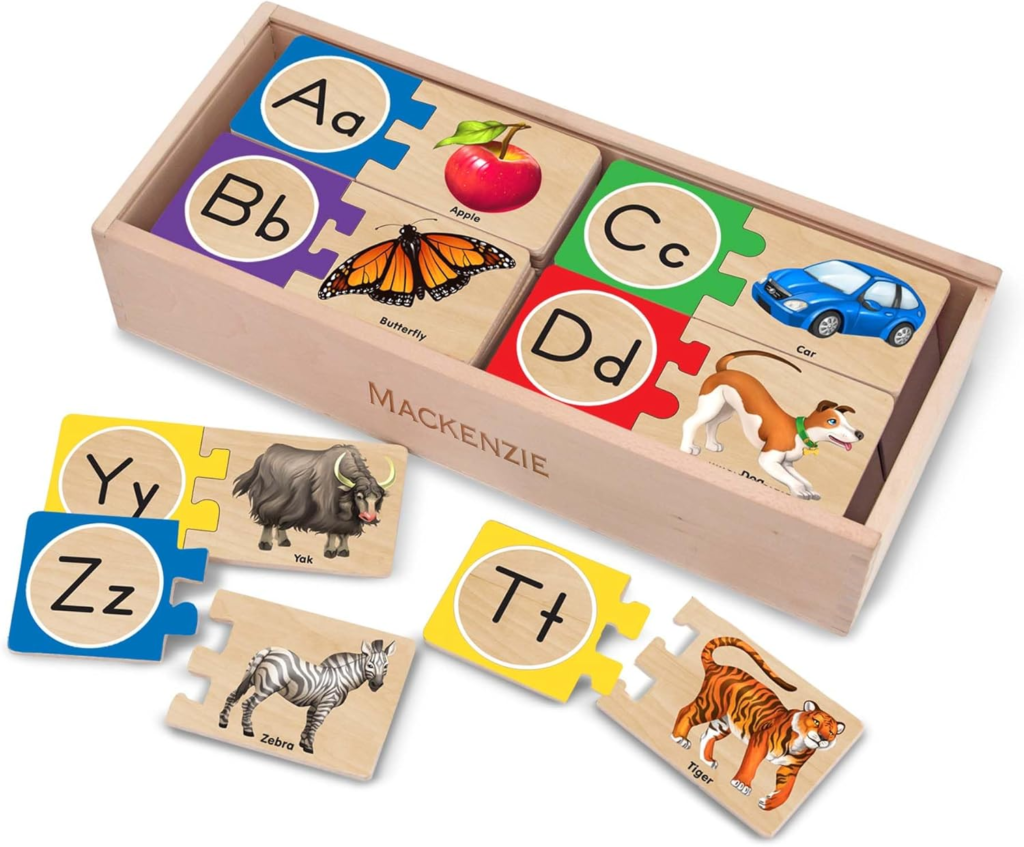
- Letter magnets: Play with letters on the fridge
- Name practice: Write their name together daily
- Rhyming games: “What rhymes with cat?”
- Sound games: “What starts with ‘sss’?”
—
Pre-Math (Numeracy) Skills Checklist
Math readiness involves more than counting—it’s about understanding quantities.
Counting
- [ ] Counts to 10 (ideally to 20)
- [ ] Counts objects one-to-one (touches each object while counting)
- [ ] Understands “how many” when counting
- [ ] Recognizes numbers 1-10
Number Concepts
- [ ] Understands more/less/same
- [ ] Can compare groups (“Which has more?”)
- [ ] Understands concepts of adding and taking away (concrete level)
Shapes and Patterns
- [ ] Recognizes basic shapes (circle, square, triangle, rectangle)
- [ ] Can identify patterns (red, blue, red, blue)
- [ ] Can continue a simple pattern
- [ ] Sorts objects by color, size, or shape
Spatial Awareness
- [ ] Understands position words (above, below, beside, between)
- [ ] Can put together simple puzzles (6+ pieces)
- [ ] Understands big/small, tall/short, long/short
How to Build These Skills
- Count everything: Stairs, crackers, toys
- Board games: Candy Land, Hi Ho Cherry-O
- Sorting games: Sort buttons, blocks, or cereal by color or size
- Pattern play: Make patterns with blocks, stickers, or snacks
- Shape hunts: Find circles, squares, triangles around the house
- Cooking: Measuring and counting ingredients
—
Physical Development Checklist
Physical skills support classroom participation and independence.
Gross Motor (Large Movements)
- [ ] Runs without falling frequently
- [ ] Climbs playground equipment
- [ ] Kicks and throws a ball
- [ ] Hops on one foot
- [ ] Walks up and down stairs alternating feet
Fine Motor (Small Movements)
- [ ] Holds a pencil with proper grip (tripod grip)
- [ ] Uses scissors to cut along a line (approximately)
- [ ] Colors mostly within lines
- [ ] Traces shapes and lines
- [ ] Strings beads or manipulates small objects
Hand-Eye Coordination
- [ ] Catches a bounced ball
- [ ] Builds with blocks (8+ block towers)
- [ ] Completes puzzles (12+ pieces)
- [ ] Pours liquid without excessive spilling
How to Build These Skills
- Outdoor play daily: Running, climbing, throwing
- Art activities: Drawing, coloring, painting, cutting
- Play dough: Strengthens hand muscles
- Building toys: Legos, blocks, magnetic tiles
- Puzzles: Start simple, increase complexity
- Fine motor games: Lacing cards, bead stringing, using tongs
—
Self-Care and Independence Checklist
Teachers can’t help 20+ children with basic needs—independence matters.
Bathroom Skills
- [ ] Uses the toilet independently
- [ ] Wipes adequately (may need occasional help)
- [ ] Washes and dries hands
- [ ] Can pull pants up and down
Eating Skills
- [ ] Opens their lunch box, containers, and packages
- [ ] Uses utensils appropriately
- [ ] Cleans up after themselves
- [ ] Can open milk cartons/juice boxes (practice helps!)
Dressing Skills
- [ ] Puts on and removes coat independently
- [ ] Zips their jacket (may need help starting zipper)
- [ ] Puts on shoes (Velcro is easier than laces)
- [ ] Can manage buttons and snaps
Personal Care
- [ ] Blows and wipes their own nose
- [ ] Covers mouth when coughing/sneezing
- [ ] Knows full name
- [ ] Knows age
- [ ] Knows parent names (not just “mommy” and “daddy”)
How to Build These Skills
- Practice daily: Let them do tasks themselves, even when it’s slower
- Practice opening containers: Include in lunch prep
- Choose easy-to-manage clothing: Elastic waists, Velcro shoes
- Role play: Practice asking for help (“I need to use the bathroom”)
- Independence at home: Clear their plate, put away toys, dress themselves
—
Printable Kindergarten Readiness Checklist
Use this quick-reference checklist to track your child’s progress:
Social-Emotional
- [ ] Separates from parents appropriately
- [ ] Plays cooperatively with others
- [ ] Takes turns and shares
- [ ] Follows simple rules
- [ ] Manages emotions with support
Language
- [ ] Speaks in complete sentences
- [ ] Follows 2-3 step directions
- [ ] Asks and answers questions
- [ ] Speech is mostly understandable
Pre-Reading
- [ ] Recognizes some letters
- [ ] Knows letters make sounds
- [ ] Enjoys being read to
- [ ] Can hear rhymes
- [ ] Writes their first name
Pre-Math
- [ ] Counts to 10+
- [ ] Recognizes numbers 1-10
- [ ] Identifies basic shapes
- [ ] Understands more/less
- [ ] Recognizes simple patterns
Physical
- [ ] Holds pencil properly
- [ ] Uses scissors
- [ ] Runs and climbs
- [ ] Has basic coordination
Self-Care
- [ ] Uses bathroom independently
- [ ] Dresses self (mostly)
- [ ] Opens lunch containers
- [ ] Knows full name and age
—
What If My Child Isn’t “Ready”?
Remember: Development Varies
- Children develop at different rates
- Boys often develop certain skills later than girls
- Summer birthdays may need more time
- Learning differences affect readiness
Options to Consider
1. Preschool: Structured practice with peers and routines
2. Developmental screening: Identify specific areas needing support
3. Transitional kindergarten: Available in some districts
4. Delayed entry: Starting a year later (controversial but sometimes appropriate)
5. Early intervention: Services for identified delays
Talk to Your School
Contact your school district about:
- Kindergarten readiness assessments
- Support services available
- Class structure and expectations
- What they prioritize most
Frequently Asked Questions
When should I start preparing my child for kindergarten?
Learning begins at birth, but targeted preparation can start at age 3-4. Daily reading, play, and conversation are the best preparation. Formal “academics” aren’t necessary for toddlers.
My child can read/do math already. Should I skip kindergarten?
No. Kindergarten builds social, emotional, and physical skills alongside academics. Even academically advanced children benefit from the full kindergarten experience.
What’s more important—academics or social-emotional skills?
Social-emotional skills. Research consistently shows that children who enter kindergarten with strong self-regulation and social skills have better long-term outcomes, regardless of initial academic abilities.
My child is a “young five.” Should I delay kindergarten?
This decision is highly individual. Consider your child’s social-emotional maturity, attention span, and overall development—not just their birth date. Consult with their preschool teacher and pediatrician.
What if my child doesn’t know all their letters?
That’s okay! Kindergarten is designed to teach letters and sounds. Exposure and interest in books matter more than memorization before school.
—
Sources:
- National Association for the Education of Young Children (NAEYC)
- American Academy of Pediatrics (AAP) – School Readiness
- CDC – Developmental Milestones
- Zero to Three – Getting Ready for School