10 Things Autism Parenting Taught Me About Life & Love
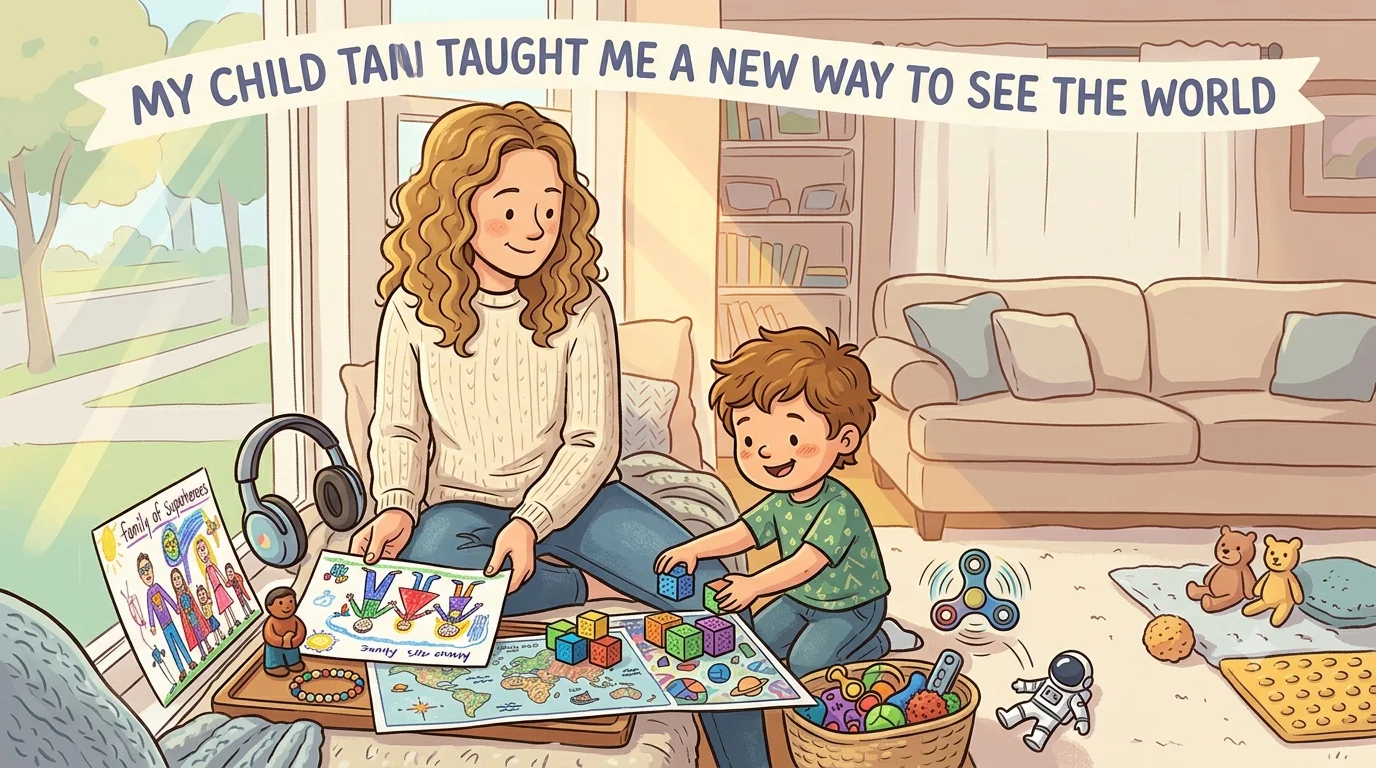
When I became a parent, I thought I would be the one teaching my child how to navigate the world. I thought I would teach them how to communicate, learn, make friends, and become independent. I never expected that my child would become my greatest teacher.
The autism journey has brought questions, challenges, and moments of uncertainty. There have been times when I searched for answers, worried about the future, and wondered if I was doing enough. But along the way, something changed. I started seeing the world differently. I became more patient. I learned to notice things I once overlooked. I discovered a kind of strength I never knew I had. My child did not just need me to understand autism — my child taught me how to understand life differently. These are the lessons being an autism parent has taught me.
Quick Takeaways
- Progress stops being about charts and milestones and becomes about what your child shows you today
- Patience, advocacy, and acceptance are learned skills, not traits you either have or don’t
- Asking for help is not a weakness — it’s one of the most loving things a parent can do
- Comparing your child’s timeline to another child’s rarely helps either of you
- Joy shows up in small, unexpected moments once you stop rushing past them
1. I Learned That My Definition of Progress Had to Change
Before autism became part of our story, I believed progress followed a predictable path. I thought there would be certain milestones, certain ages, and certain expectations that would tell me my child was moving forward.
Autism changed that. I learned that progress cannot always be measured by comparing my child to a chart or another child. Sometimes progress is gaining confidence in a new environment, becoming comfortable with a new experience, learning a new way to express a need, or showing a connection in a way I did not expect.
I stopped asking, “Is my child keeping up?” I started asking, “What is my child showing me today?” That simple change helped me see growth that I might have missed before.
2. I Learned to Notice the Moments Other People Might Miss
One of the biggest changes autism brought into my life was learning to pay attention differently. I began noticing the moments between the big milestones.
The first time my child tried something new. The moment they tolerated something that used to feel overwhelming. The unexpected smile, the shared attention, or the little signs that showed they were becoming more comfortable. Someone else may not recognize these moments as important, but as a parent, I know the effort, patience, and courage behind them. Autism taught me that some of the most meaningful progress happens quietly.
3. I Learned That Understanding My Child Comes Before Teaching My Child
When I first started learning about autism, I focused on what skills my child needed to develop. Over time, I realized something important: before I could teach my child, I needed to understand my child.
I needed to understand what situations felt difficult, what brought comfort, what caused frustration, and what my child was trying to express. I learned to look beyond behaviors and ask, “What is my child trying to tell me?” That change helped me build a stronger connection with my child.
4. I Learned a Level of Patience I Never Thought I Needed
Autism parenting requires a different kind of patience. It is not just waiting for progress. It is learning to stay calm when things do not go as planned. It is repeating the same support many times. It is showing up even on days when I feel exhausted.
There are moments when I wish I could make the journey easier for my child. But I have learned that my child does not need a perfect parent. My child needs a parent who keeps learning, keeps trying, and keeps showing up.
5. I Learned That My Child’s Journey Is Not Meant to Look Like Anyone Else’s
Comparison can be one of the hardest parts of parenting a child with autism. It is easy to notice what other children are doing and wonder when your own child will reach that point. I have had those feelings too.
But autism taught me that every child has a different timeline, different strengths, and a different way of experiencing the world. My job is not to force my child onto someone else’s path. My job is to understand my child’s path and support them along the way. If you’re in the thick of that waiting right now, my 4-year-old autistic son isn’t talking yet walks through what that specific kind of waiting feels like.
6. I Learned That I Do Not Have to Carry Everything Alone
At the beginning of this journey, I felt like I needed to find every answer myself. I researched. I worried. I tried to understand everything about autism.
Eventually, I realized that accepting support does not make me a weaker parent — it makes me a better one. There are people who can walk beside us: teachers, therapists, family members, and other parents who understand this journey. I learned that asking for help is not admitting defeat. It is an act of love. This is also why finding other parents matters so much — why autism parents feel isolated (and why you’re not alone) explains how that loneliness builds and what actually helps.
7. I Learned That Being My Child’s Voice Matters
Before becoming an autism parent, I never imagined how much advocacy would become part of my life. I learned about school meetings, support services, accommodations, and making sure my child’s needs were understood.
Sometimes advocacy feels uncomfortable. Sometimes it means asking difficult questions or speaking up when something does not feel right. But my child cannot always explain what they need, so I learned that my voice matters. Being an advocate means making sure my child is seen, respected, and supported — a role that comes into sharp focus at the emotional reality of an IEP meeting.
8. I Learned That Acceptance Changed the Way I Parent
One of the biggest emotional changes I experienced was learning what true acceptance means. Acceptance does not mean giving up on growth. It does not mean lowering hopes for my child’s future. It means loving and respecting my child today, exactly as they are.
When I stopped focusing only on changing my child, I had more space to understand my child. Acceptance helped me become a more connected and supportive parent.
9. I Learned That Happiness Can Be Found in Unexpected Places
Autism changed the way I look at everyday moments. I no longer rush past the simple things: a moment of connection, a shared laugh, a new experience, a peaceful day, a moment when my child feels comfortable and happy.
These moments remind me that joy does not always come from achieving the things we originally imagined. Sometimes joy comes from appreciating the child right in front of us.
10. I Learned a Love That Changed Me as a Person
Being an autism parent has changed my understanding of love. It is a love that requires patience when things are difficult. A love that celebrates progress others may not notice. A love that continues learning, adapting, and showing up every day.
My child has taught me that love is not about having a perfect journey. It is about accepting the journey we have and walking through it together. I became an autism parent, but along the way, my child helped me become a more patient, understanding, and compassionate person.
Frequently Asked Questions
What is the hardest part of being an autism parent?
The hardest part is often the uncertainty about the future. Many autism parents worry about communication, independence, school, and what life will look like as their child grows. Over time, we learn to focus on supporting our child one step at a time.
What has autism taught parents?
Autism teaches parents patience, acceptance, flexibility, and a deeper understanding of their child’s unique way of experiencing the world. Many parents discover strengths they never knew they had.
How do autism parents stay positive?
Autism parents often find positivity by focusing on progress, building a support system, learning from their child, and appreciating meaningful moments instead of comparing their journey to others.
How can I support a parent of an autistic child?
The best support is understanding and practical help. Listening without judgment, offering encouragement, helping with daily tasks, and respecting their child’s differences can make a big impact.
Does accepting autism mean giving up on progress?
No. Acceptance means loving and respecting a child as they are while still supporting their growth, learning, and future opportunities.
Why do autism parents celebrate small achievements?
Many skills that may seem simple to others can require tremendous effort for some autistic children. Parents celebrate these moments because they represent growth, courage, and progress.
How does having an autistic child change a parent?
Many parents say the experience changes their priorities and teaches them patience, compassion, advocacy, and a new understanding of what success and happiness can look like.
What advice would you give a new autism parent?
Give yourself time to learn, avoid comparing your child to others, seek support when needed, and remember that your child is more than their diagnosis.
Final Thoughts
Every autism family has a different story. Some days are challenging. Some days bring unexpected joy. Many days bring both. But one thing I have learned is that our children are not defined by a diagnosis. They are children first, with their own personalities, strengths, dreams, and ways of experiencing the world.
Being an autism parent has taught me that the journey may not look like what I expected, but it can still be beautiful. If you’re just starting this journey, what I wish I knew after an autism diagnosis covers the fear and comparison that tend to come first, and what to do after an autism diagnosis walks through concrete next steps.
Sources:
- Centers for Disease Control and Prevention (CDC) — Autism and Developmental Disabilities Monitoring (ADDM) Network
- American Academy of Pediatrics (AAP) — Autism Spectrum Disorder family support guidance
- Autism Speaks — Family support and community resources
Comments