
Introduction
How to calm a hyperactive child at home in 2026 is a question many parents face, especially with the increasing use of digital devices and educational technology. Hyperactivity can affect a child’s focus, learning, and behavior, but with updated strategies, routines, and modern tools, parents can help children manage energy and improve self-control. This guide provides practical techniques, educational activities, and natural strategies that reflect current trends and tools in 2026.
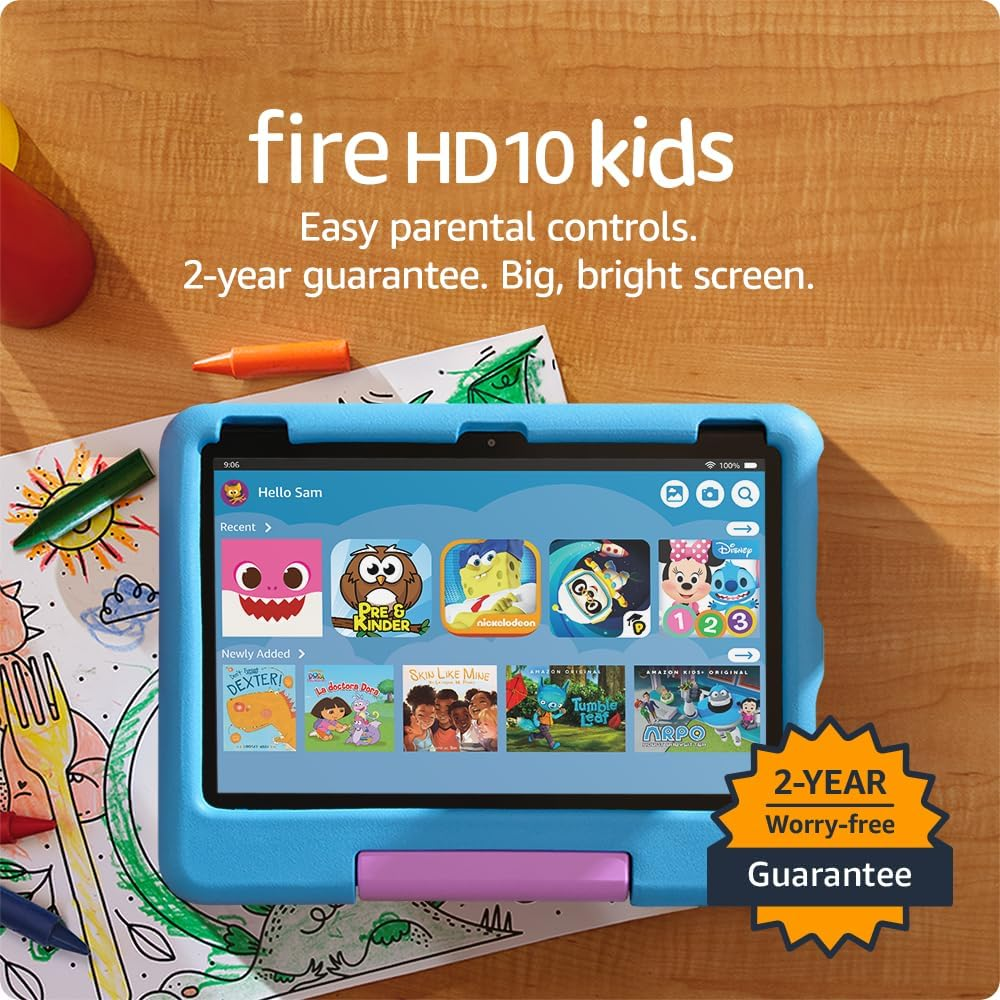
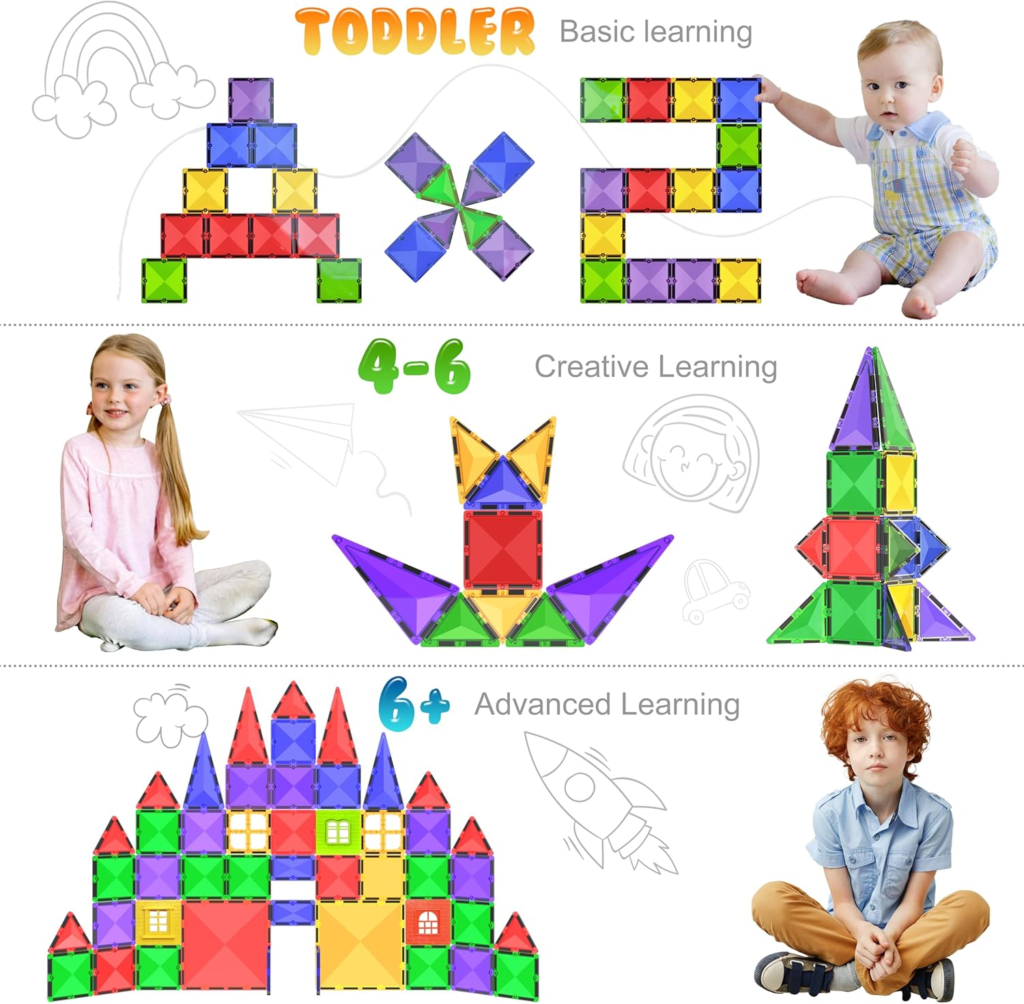
Table of Contents
Create a Structured Routine
A structured daily routine remains one of the most effective ways to calm a hyperactive child at home in 2026. Children feel secure when they know what to expect, and modern tools can make routines more engaging.
Tips:
- Use visual schedules or apps to help children follow routines independently.
- Break tasks into small, manageable steps to reduce overwhelm.
- Set clear rules and expectations, and review them regularly.
Amazon Recommendations:
- Magnetic Daily Schedule Chart – Helps children visualize and follow routines.
- Time Timer for Kids – A modern tool to teach children about time management.
Encourage Physical Activity
Physical activity is essential for hyperactive children to release energy, improve focus, and boost overall well-being. In 2026, there are even more indoor and outdoor tools to help children stay active safely.
Activity Ideas:
- Outdoor activities: biking, running, soccer, or interactive playgrounds.
- Indoor activities: mini trampolines, kids’ yoga sessions, or dance workouts via online apps.
- Short activity breaks during homework or chores.
Amazon Recommendations:
- Mini Trampoline for Kids – Safe indoor exercise to burn off energy.
- Balance Bike for Toddlers – Enhances coordination and focus.
Use Calming Techniques
Calming strategies are critical in 2026, especially with increased screen time and digital stimulation. Techniques help children focus, relax, and self-regulate.
Techniques:
- Deep breathing exercises or guided breathing apps.
- Short mindfulness or meditation sessions designed for children.
- Quiet corner with soft cushions, calming toys, or books.
- Relaxing music playlists tailored for children.
Amazon Recommendations:
- Children’s Meditation Cards – Fun, guided mindfulness exercises.
- Sensory Fidget Toys Set – Helps children channel energy into calm activities.
Engage in Educational Play
Educational and interactive play can reduce hyperactivity while enhancing focus, creativity, and cognitive skills. In 2026, both physical and digital tools are available to make learning more engaging.
Ideas:
- Puzzles for problem-solving and patience.
- Arts and crafts to boost creativity and fine motor skills.
- LEGO sets or building blocks to develop concentration and attention span.
- Interactive educational apps and tablets designed for learning and focus.
Amazon Recommendations:
- Wooden Puzzle Set – Enhances problem-solving skills.
- LEGO Classic Building Kit – Improves creativity and focus.
- Educational Tablet for Kids – Interactive learning tool for 2026.
Maintain a Healthy Diet
A child’s diet affects energy levels and behavior. Balanced meals with proteins, whole grains, fruits, and vegetables help hyperactive children stay calm and focused in 2026.
Tips:
- Include protein-rich snacks like yogurt, cheese, or nuts.
- Encourage children to drink water regularly.
- Limit sugar and processed foods that may increase hyperactivity.
Amazon Recommendations:
- Healthy Snack Box for Kids – Nutritious and fun snacks.
- Reusable Snack Containers – Encourage portion control and healthy eating habits.
Educational and Behavioral Techniques
Modern behavior management in 2026 combines positive reinforcement, structured tasks, and interactive learning.
Strategies:
- Positive Reinforcement: Reward good behavior to encourage repetition.
- Task Chunking: Break tasks into smaller steps to prevent overwhelm.
- Interactive Learning: Use apps, games, or storytelling to teach focus and patience.
- Clear Limits: Consistent rules and expectations help children self-regulate.
When combined with routines, activity, calming strategies, and nutrition, these techniques create a supportive home environment for hyperactive children.
FAQ Section
Q: Can hyperactive behavior be fully controlled at home in 2026?
A: While complete elimination is unlikely, modern routines, educational tools, and calming strategies can greatly improve behavior.
Q: Are educational apps effective for hyperactive children?
A: Yes! Apps designed for 2026 focus on interactive learning, problem-solving, and attention-building.
Q: How can parents encourage calm without being strict?
A: Use positive reinforcement, structured routines, interactive play, and model calm behavior rather than punishment.
Conclusion
How to calm a hyperactive child at home in 2026 involves a combination of structured routines, physical activity, calming techniques, educational play, and nutrition. Parents who adopt these strategies can help children manage energy, improve focus, and develop healthy behaviors. Modern tools like meditation cards, fidget toys, educational apps, and learning tablets make these strategies more effective and enjoyable for both children and parents.